That You Were Never The Same?
Emigration Canyon Escape
Minutes From The City
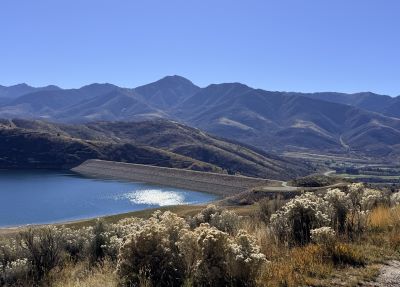
One of Our Favorite Drives – Right
In Our Backyard
Sometimes the best places to visit are practically in your own backyard. That's certainly true of Emigration Canyon, one of our favorite scenic drives near Salt Lake City.
It's close, it's beautiful, and you don't need half a day to enjoy it. We honestly make this short half-hour drive almost every week.
Sometimes we head up from the Salt Lake Valley, past Hogle Zoo. Other times, we take the opposite route, driving up Parley's Canyon and coming over the mountain from the Little Dell Reservoir side.
Either way, it's a great little escape. And it seriously takes less than a half hour in either direction.
Within minutes, you're leaving the city behind and winding through a beautiful canyon filled with trees, mountain homes, lots of activity, and some of the prettiest scenery in the Wasatch Range.
You don't need hiking boots, special equipment, or an elaborate plan. Just get in the car and go. That’s why we like it so much. In minutes, you’re out of the city and up the canyon.
And if you're a cyclist, Emigration Canyon offers something even better. It’s a challenging but manageable mountain climb just minutes from downtown Salt Lake City.
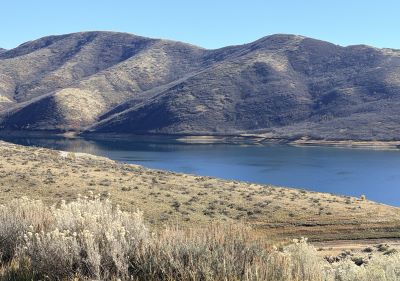
A Scenic Drive Just Minutes
From Salt Lake City
One of the things I enjoy most about Emigration Canyon is how quickly the scenery changes.
You're driving through Salt Lake City's eastern neighborhoods one minute. A few minutes later, you're surrounded by the Wasatch Mountains on a winding road that feels much farther from civilization than it actually is.
Located just east of Salt Lake City, near the University of Utah and Utah's Hogle Zoo, Emigration Canyon is one of those rare places where you can enjoy a genuine mountain drive without spending much time getting there.
The road follows Emigration Creek through a narrow canyon lined with cottonwoods, scrub oak, and other mountain vegetation. You'll pass homes of various description (some new and pricey, some old and much less so) tucked into the hillsides.
Wooded stretches of road and occasional openings reveal the surrounding mountains although the mountainsides are almost always visible. The same scenery changes substantially with every season.
Spring brings fresh greenery, while summer offers a welcome break from the valley heat. Fall transforms the canyon into a colorful display of yellow, orange, and red.
Even winter has its own appeal with snow-covered hillsides and a quiet mountain atmosphere. And the best part? You can enjoy most of it without ever leaving your vehicle.
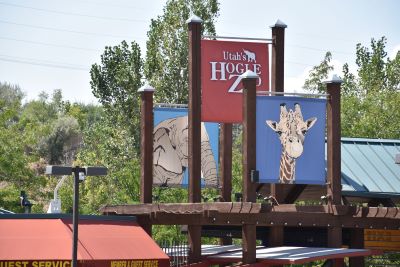
Driving Emigration Canyon
From the Hogle Zoo Side
This is probably the most familiar way to experience Emigration Canyon for most people.
From Salt Lake City, head east on Sunnyside Avenue passing the University of Utah area on your left and Hogle Zoo on your right. Continue toward the mouth of Emigration Canyon where the city quickly gives way to the mountains.
Just before the Zoo, you'll pass This Is The Place Heritage Park on your left, one of Salt Lake City’s most recognizable historical attractions.
From here, simply follow Emigration Canyon Road up the canyon. 40 MPH all the way up to the top. And that speed, I’ve found, is the perfect speed for this canyon.
The road climbs gradually following the natural curves of the canyon. There are plenty of twists and turns but nothing particularly difficult under normal driving conditions.
One of the enjoyable things about this drive is the variety. Some stretches feel like you're passing through a quiet mountain neighborhood while others are wooded and secluded.
Then the road opens up to reveal impressive hillsides and views of the surrounding mountains. But you’ll also meander past old buildings and homes that are, as in decades past, just a few yards from the roadside.
Part way up, you'll also pass Pinecrest Canyon Road which branches off toward the historic Pinecrest area. It's an interesting part of the canyon's residential history although the main scenic drive stays on Emigration Canyon Road.
Eventually, you'll reach Little Mountain Summit which is roughly eight miles from the mouth of the canyon. This is the top of Emigration Canyon and a great place to stop, stretch your legs, and take in the view.
There's also some fascinating history here, which we'll get to shortly.
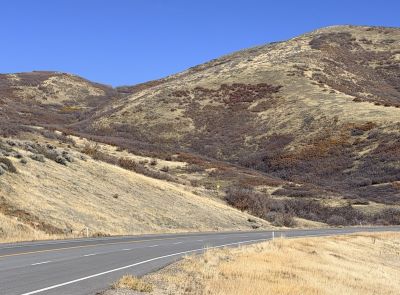
Continue Over Little Mountain
Toward Little Dell Reservoir
You could turn around at Little Mountain Summit and head back down the same way but that’s not what we do.
The descent on the opposite side of Little Mountain is one of my favorite parts of the drive. The road winds downhill through open mountain country with beautiful open views of the expansive ridges.
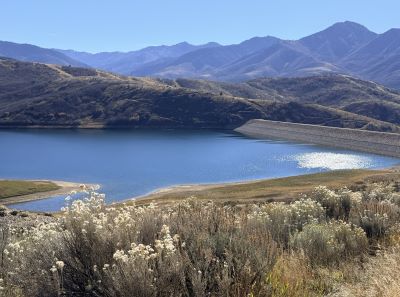
Eventually, you'll reach the junction with State Route 65 also known as East Canyon Road. Just a short distance north of this junction is the entrance to Little Dell Reservoir (clearly visible below).
It’s a beautiful little mountain reservoir tucked into the hills. Use the opportunity as a nice place to stop if you have a little extra time.
The reservoir offers opportunities for picnicking, fishing, and non-motorized boating subject to local regulations. Even if you're just driving by, the setting is worth seeing.
If you're ready to head back to Salt Lake City, turn south on SR-65 toward Interstate 80. From there, it's an easy (although always very busy and very fast-moving) drive west down Parley's Canyon and back into Salt Lake City.
This completes a beautiful little mountain loop that doesn't require a major commitment of time. It's one of the reasons we enjoy it so much and do it so often.
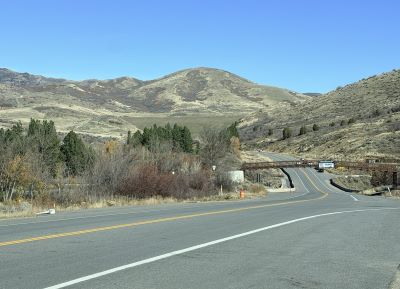
Driving Emigration Canyon in Reverse - From Parley's Canyon
Here's the other way to enjoy this drive. And frankly, we like it just as much.
Start in Salt Lake City and head east up the canyon on Interstate 80 through Parley's Canyon. It’s only about eight miles to our exit.
Take Exit 134, the East Canyon/Mountain Dell exit and follow the signs toward East Canyon on State Route 65. You'll drive north toward Little Dell Reservoir passing through beautiful mountain scenery along the way.
After deriving above the reservoir area, watch for the turnoff to Emigration Canyon Road on your left. This is the same route as described earlier but in reverse.
After one of our wettest years ever many years ago, we experienced one of the most spectacular wildflower displays I’ve ever seen along this route.
I still remember walking through the purples, paintbrush, and sunflowers with my wife and children snapping colorful images right and left.
We go back every spring and early summer but we’ve never seen it quite like that. It was such a rare event. We still do get some sunflower and paintbrush growth most springs.
The road climbs from the Little Dell side towards Little Mountain Summit. It's a relatively short climb with sweeping views that make it worth taking your time.
Once you reach the summit, you'll begin the winding descent down Emigration Canyon toward Salt Lake City. And this is what makes the reverse drive so enjoyable.
You're gradually dropping down the canyon passing wooded hillsides and homes that range from quaint to modern to even luxurious. And they’re all sort of mixed together along the way.
That’s what makes this canyon so cool. You may see a home that looks like it came right out of the 1960’s (and looks that old) alongside a multi-million dollar contemporary design
Eventually, you'll emerge near Hogle Zoo and This Is The Place Heritage Park just minutes from the city. It's the same beautiful drive but the views and perspective from the opposite direction are sharply contrasting.
If you've only driven Emigration Canyon in one direction, try it the other way. I think you'll enjoy the difference.
No matter how many times we drive it, it’s a great little escape and we almost always see something we may not noticed before.
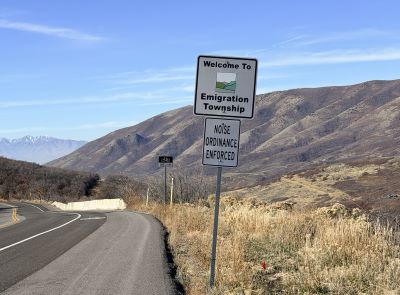
Cycling Emigration Canyon - One of the
Salt Lake Areas Best Climbs
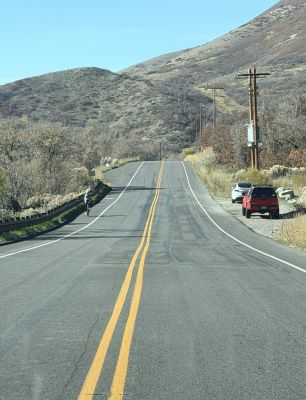
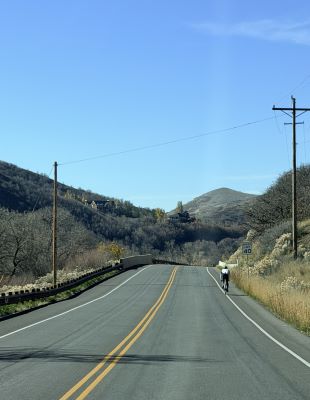
If you've spent any time driving Emigration Canyon, you've undoubtedly noticed the cyclists. Lots of them. On both sides from bottom to top.
And there's a good reason for that.
Emigration Canyon road cycling is one of the most popular road biking experiences in the Salt Lake City area. The route offers a steady uphill climb, attractive mountain scenery, and a convenient starting point close to the city.
From the Hogle Zoo area to Little Mountain Summit, cyclists cover approximately eight miles while gaining around 1,000 feet in elevation. For experienced riders, that's a satisfying workout.
For newer cyclists building their climbing strength, it's a worthwhile challenge. Much of the climb is gradual although the grade becomes noticeably steeper near the summit.
And once you've made it to the top? You get to enjoy the ride back down.
Of course, Emigration Canyon is a shared road, not a dedicated cycling path. Shoulders vary in width and disappear in places.
There are blind curves, residential driveways, and occasional heavy traffic. Cyclists need to stay alert and motorists need to slow down and give them plenty of room.
I wouldn't recommend this route for inexperienced children or families looking for a leisurely bike ride. But for reasonably experienced road cyclists, it's one of the best and most accessible canyon climbs in the area.
One thing to remember. The speed limit up and down the canyon is 40 MPH. There is a heavy police presence and they will ding you.
They are always friendly and will wave at you especially if you’re obeying the speed limit. In a way, that’s kind of comforting to us. Not a chance for too many shenanigans along this route.
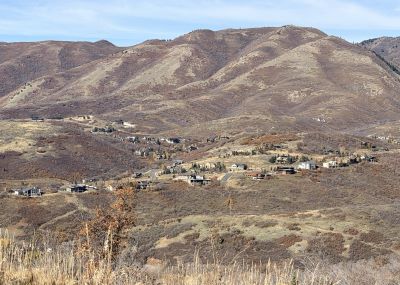
Want a Bigger Cycling Challenge?
If Little Mountain isn't enough, ambitious cyclists can continue toward Big Mountain on East Canyon Road. That's a more demanding ride with additional elevation gain and steeper climbing.
It's also a beautiful stretch of mountain country. Just remember that the Big Mountain section of SR-65 is subject to seasonal winter closures and riding conditions can change quickly at higher elevations.
As you move up the mountain, the shoulders become very narrow or almost non-existent. Your safety is in your hands depending on how much you want to trust the average driver who may be driving this route.
For most recreational cyclists, however, the classic ride up Emigration Canyon to Little Mountain Summit is more than enough
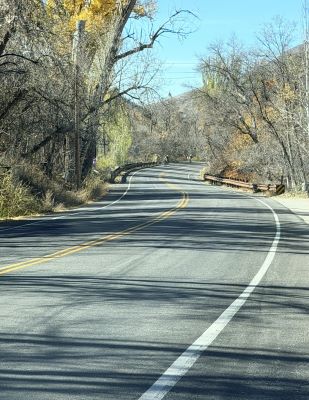
A Canyon With an Important
Place in Utah History
Emigration Canyon isn't just another pretty mountain road. It's one of the most historically significant routes in Utah.
Long before modern highways existed, Native American peoples used this mountain country for hunting, fishing, and travel.
In 1846, the ill-fated Donner-Reed Party crossed through the area while making its way toward California. A year later, the Mormon Pioneers followed much of the same route into the Salt Lake Valley.
On July 24, 1847, Brigham Young and his entourage entered the valley through Emigration Canyon, an event closely associated with the founding of modern Salt Lake City.
The canyon became a gateway for thousands of additional settlers traveling west.
Little Mountain Summit was one of the final obstacles these travelers faced before reaching the valley. Imagine crossing these mountains with heavily loaded wagons, livestock, and families, without the benefit of paved roads or modern equipment.
It gives you a completely different appreciation for the landscape. Today, historical markers near Little Mountain Summit help tell the story of the pioneers and other travelers who crossed this rugged country.
At the mouth of the canyon, This Is The Place Heritage Park offers a much more extensive look at Utah's pioneer history if you’re interested in that.
If you enjoy combining scenery with history, Emigration Canyon gives you plenty of both.
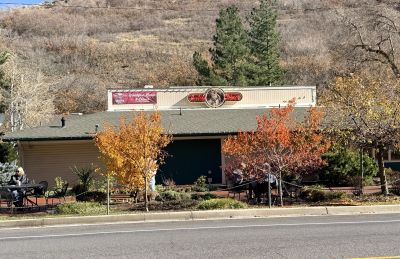
Don't Forget Ruth's Diner
There's one more Emigration Canyon attraction worth mentioning. Ruth's Diner.
Located along Emigration Canyon Road, Ruth's has been a Salt Lake City institution for generations. The restaurant originally opened in 1930 and moved to its present canyon location in 1949.
It is known for its hearty breakfasts, comfort food, and especially its popular outdoor patio during warmer weather. If you haven't been there, you're missing one of Salt Lake's classic dining experiences.
If you want to make your Emigration Canyon escape a little more leisurely, stopping at Ruth's Diner for breakfast or lunch is a great way to do it. The food is good, the setting is delightful, and it fits perfectly with the laid-back feeling of the canyon.
When Is the Best Time to Drive
Emigration Canyon?
There really is no "best" time.
One of the things that makes Emigration Canyon so appealing is that there's no single best time to enjoy it. Every season offers something different.
As I said earlier, we drive it almost every week. Seriously. At least, every other weekend.
It's just a great escape away from all the city crap below and it takes less than a half hour to traverse by vehicle.
Spring: The canyon begins turning green, the creek runs higher with snowmelt, and the mountain air feels wonderfully fresh.
Summer: The canyon provides a pleasant change from the heat of the Salt Lake Valley particularly in the morning or evening.
Fall: Probably the most colorful season and my favorite. The changing leaves make Emigration Canyon one of the prettiest short scenic drives near Salt Lake City.
Winter: Snow adds a completely different character to the canyon. The lower road is generally maintained for year-round travel although storms can create icy or snowy conditions.
And watch out for wild turkeys on the road. Yes, happened to us.
One important distinction: the Emigration Canyon route over Little Mountain is different from the higher stretch of East Canyon Road over Big Mountain.
That upper section of SR-65 normally closes during winter. Always check current road conditions and the seasonal closure before planning a longer drive toward East Canyon.
A Few Things to Remember Before
Driving Emigration Canyon
The list is short.
Emigration Canyon is an easy place to enjoy but it's still a mountain road. Drive at a reasonable speed, particularly around tight corners and through residential areas.
Always watch for cyclists, wildlife, and vehicles entering the road from driveways. But especially cyclists. They’re everywhere.
If you're cycling, use lights and visible clothing and be especially cautious on the downhill stretches. And please don’t assume that the people driving vehicles up and down the canyon are competent.
Remember that most of the land along Emigration Canyon Road is privately owned. And many of these homes butt right up close to the roadway.
As I said earlier, that’s actually one of the things that makes this drive so interesting. And remember once again, 40 MPH is the speed limit and it is enforced.
I find it perfect for the conditions you’ll find in this canyon. Stay on public roads and designated trails and use established pullouts rather than parking along narrow shoulders. That’s a losing proposition.
You don't need to do anything complicated to have a good time here. Just take your time and enjoy the surroundings.
One of Our Favorite Little
Escapes From The City
Not every memorable drive has to be an all-day excursion. That's one of the things we've come to appreciate about living so close to Utah's mountains.
Some days, you just want to get away for a little while, see something beautiful, and enjoy a little peace and quiet outside the crowded city.
Emigration Canyon is perfect for that. We've driven it countless times, in both directions, and we never get tired of it.
From the wooded stretches near Ruth's Diner to the open views at Little Mountain Summit, there's something enjoyable around almost every turn. In a way, much of it is like stepping back in time.
Whether you're a Salt Lake City resident looking for a quick change of scenery or a visitor hoping to experience some of Utah's mountain beauty without traveling far, this is a drive I highly recommend.
And if you're an experienced cyclist looking for a good climb, even better.
Next time you have a little spare time, head up Emigration Canyon. You might discover, as we have, that some of Utah's best escapes are the ones closest to home.


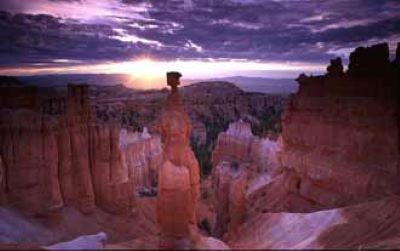
Bryce Canyon National Park
Canyonlands National Park
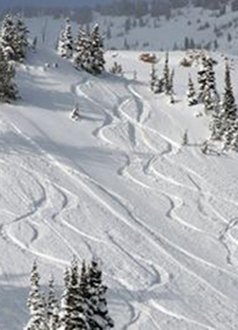
Wasatch Mountains
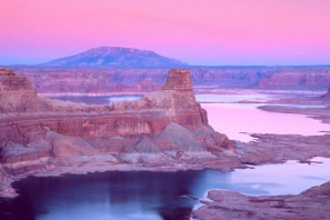
Lake Powell
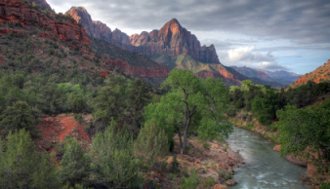
Zion National Park
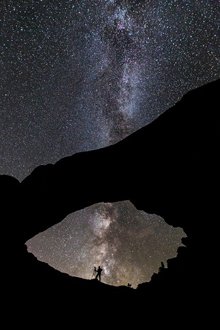
Arches National Park
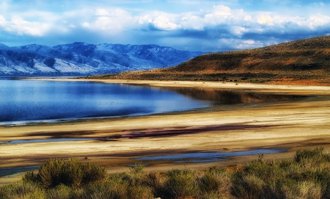
Great Salt Lake
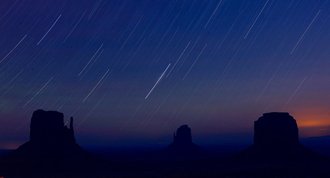
Monument Valley