That You Were Never The Same?
Guide to RV Parks
Near
Capitol Reef National Park
Some Great Choices
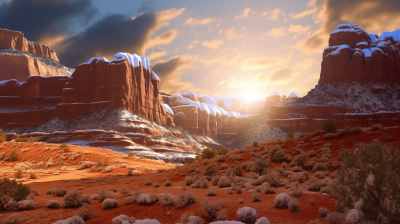
If you’re planning an RV trip to Capitol Reef, you have some great choices. This guide to RV parks near Capitol Reef National Monument will give you the information you need to make a decision.
That is especially true if you understand one important thing from the start. Capitol Reef is not Zion or Bryce Canyon. It is quieter, more spread out, and in many ways more relaxing. It is our favorite national park by far.
It sits in south-central Utah, in the heart of red rock country. It still feels like a hidden treasure compared with some of the busier national parks in the state. That is part of the appeal.
We especially love traveling to this area in May or June before the busy season hits. For RV travelers, this is one of those incredible places where your campground is not just where you sleep.
It becomes your basecamp for scenic drives, longer trails, historic sites, dark skies, fresh fruit in season, and some of the most memorable red-rock country in southern Utah.
This guide to RV parks near Capitol Reef National Park will help you decide whether you should stay inside the park, in Torrey just west of the park, or at one of the more remote campgrounds that work best for self-contained rigs and adventurous travelers.
The short version is this: if you want the most convenient location inside Capitol Reef National Park, stay at Fruita Campground.
If you want full hookups, private showers, laundry, and an easier setup, focus on the RV parks in and around Torrey.
If you want solitude and don’t mind dirt roads, Cedar Mesa Campground and Cathedral Valley Campground are excellent primitive options. Even so, they are not for everybody.
Why This Area Works
So Well For RV Travelers
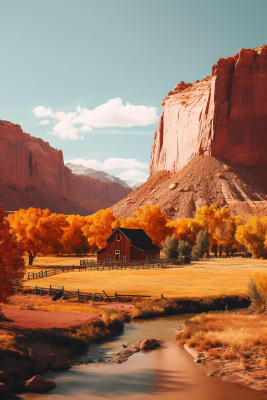
Capitol Reef is wonderfully drivable. The main east-west access route is Utah State Highway 24. The park’s Scenic Drive begins near the Capitol Reef Visitor Center heading southeast from SR-24.
That scenic drive is a 7.9-mile paved road but it is not a loop. It has dirt roads branching into places like Grand Wash and Capitol Gorge. Those spur roads are only recommended for RVs under 23 feet when conditions allow.
That is one reason many RV travelers like to park the rig, set up camp, and explore the park with their tow vehicle or daily driver. This area rewards travelers who slow down.
- You can spend the morning at the Visitor Center.
- Drive through parts of the Fruita Historic District.
- Stop at orchards along the Fremont River,
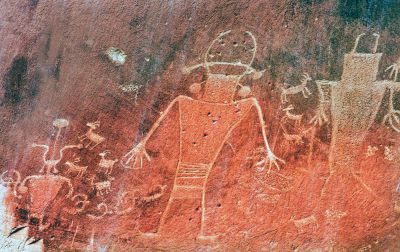
- Walk out to petroglyphs and other historic inscriptions.
- Do all this and still be back at your campsite before dark.
Many people use Torrey as a base for side trips toward Goblin Valley State Park, Grand Staircase-Escalante National Monument or further south to Bryce.
Fruita Campground
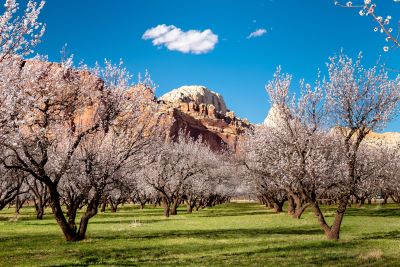
If your top priority is staying inside the park, Fruita Campground is the obvious choice. It is the only developed campground in Capitol Reef National Park. For many people it is still the play down here with the most atmosphere.
The setting is hard to beat. You are next to the Fremont River, surrounded by orchards and cottonwoods. The old Fruita settlement landscape helps make Capitol Reef feel so different from Utah’s other red-rock parks.
Fruita Campground has 71 sites, and each site includes picnic tables plus a firepit or grill. It has flush toilets, accessible campsites adjacent to restrooms, and Wi-Fi in the campground.
At the Visitor Center, you’ll find an RV dump and a potable water fill station near the entrance to loops A and B. It doesn’t have individual water, sewer, or electrical hookups.
So if you need full hook-ups, this is probably not your best match. If you are comfortable dry camping for a few nights in a spectacular location, it absolutely may be.
One more thing matters here: Fruita Campground is open year-round but it is also very popular. The park says the busy season runs from mid-March through October although we’ve found it relatively uncrowded in May.
During that peak season, the campground is typically booked months in advance. In winter, demand is lighter and last-minute openings are more realistic. For many RV travelers, that makes late fall, winter, and early spring the best time to try for an in-park stay.
If you’re traveling with a caravan, extended family, or club group, there is also a Fruita Group Campsite near the main campground. It includes pavilions, grills, fire pits, restrooms, and tent pads.
RVs are allowed but the site has tight vehicle limits. Rigs over 27 feet will not have room to turn around easily. This is better for organized group campsites than for big-rig convenience.
Thousand Lakes RV Park
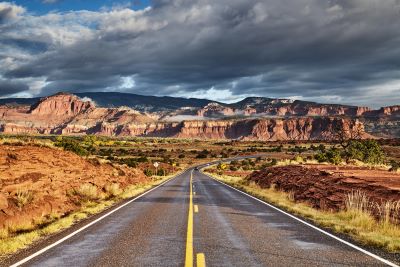
If Fruita is the best in-park choice, Thousand Lakes RV Park is one of the strongest private-park choices near the park. It sits west of Torrey on Highway 24.
It markets itself as being six miles east of Capitol Reef National Park. For RV travelers who want a classic full-service RV park experience, this one checks a lot of boxes.
Thousand Lakes offers pull-through full hookup RV sites, back-in full hookup sites, water-and-electric sites, cabins, and tent sites. It also has picnic tables at every site along with grills and fire rings, laundry and showers, a dump station, propane, a pool, a pavilion, and a unique gift shop.
That makes it a very easy base if you want more comfort after long days in the park. It is especially appealing for couples who want to explore Capitol Reef by day but come back to a cleaner, easier, more comfortable setup each evening.
Thousand Lakes also works for the way it serves as a broader basecamp. The park specifically highlights its convenience to Capitol Reef, Grand Staircase-Escalante National Monument, Goblin Valley State Park, and even Bryce Canyon (although it is a couple hours south).
So if your trip is more than just one park, this is a smart place to settle in for several nights. If friendly staff matters to you, the park’s own guest testimonials repeatedly mention helpful service and that is something RV travelers tend to remember.
Wonderland RV Park
Wonderland RV Park is another excellent Torrey-area option. It may be the best all-around choice for travelers who want a polished private campground close to the action.
If you’re looking for the kind of Capitol Reef RV Park that offers comfort, order, and a little more greenery than you expect in the desert, Wonderland deserves a hard look.
The park offers full hookups, water-and-power sites, tent sites, cabins, full hookup pull-through sites, and 30/50 amp service. It also lists spotless restrooms and showers, laundry facilities, a fenced dog run, propane and ice onsite, and a group/family pavilion.
In other words, it is set up well for the typical RV traveler who wants electrical hookups, easy maneuvering, and a comfortable reset after a day in the park. Wonderland also works well for visitors who want a short drive into Capitol Reef but still like being close to Torrey services.
Reviews featured on the park’s site talk about clean facilities, easy access, and very helpful service. It is roughly ten miles from the park entrance.
That is close enough to make early starts easy especially if you want to beat crowds at popular trailheads during the summer season.
Sand Creek RV Park
Sand Creek RV Park is one more very solid option near Capitol Reef and it feels especially well-suited to travelers who want a quieter, more personal stay. It is five miles west of Capitol Reef National Park.
It describes itself as family-owned, pet-friendly, and geared toward everything from full hookup RV stays to tent camping, cabins, and group gatherings. This is a good choice if you want pull-through sites, Wi-Fi, open space for pets, and a less crowded feel.
Sand Creek also has a pavilion and specifically welcomes groups, reunions, and travelers who want everyone together. So if your version of a great place includes room to spread out and visit after the day’s adventures, Sand Creek is worth considering.
Another plus here is the overall atmosphere. Sand Creek leans into the dark-sky and red-rock appeal of Torrey and that is not just marketing fluff.
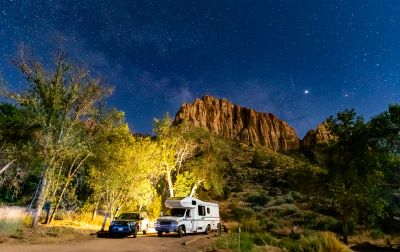
After sunset, this whole region is awe-inspiring. For many RVers, that evening quiet is one of the real reasons to stay near Capitol Reef instead of just rushing through the park in a day.
Cedar Mesa Campground
Cedar Mesa Campground is a primitive campground inside Capitol Reef. It sits about 23 miles south of Utah State Highway 24 on the Notom-Bullfrog Road.
The road is sometimes passable for regular two-wheel-drive vehicles but, at other times, high clearance may be necessary. The park specifically tells visitors to check road conditions before going.
Cedar Mesa has just five sites. Each site has a picnic table and fire grate. There is a pit toilet, but no water.
It is open year-round, first-come, first-served, and the 4.5-mile round-trip Red Canyon Trail starts right there. For self-contained smaller RVs, camper vans, and people who genuinely want solitude, it can be fantastic.
For big rigs, people needing a dump station, or anyone who does not enjoy dirt roads and uncertain conditions, this is not the best answer.
Cathedral Valley Campground
Cathedral Valley Campground is even more remote. It lies roughly halfway along the Cathedral Valley Loop Road, about 36 miles from the visitor center. The park says high-clearance four-wheel drive is usually necessary.
Like Cedar Mesa, it is open year-round but may be inaccessible depending on weather and road conditions. The campground has only six sites, each with a picnic table and fire grate, plus a pit toilet and no water.
That makes it a real backcountry-style RV option, not a casual vacation campground. The beautiful views out there are tremendous, but you should think of Cathedral Valley Campground as a specialty choice for experienced, self-sufficient travelers rather than a general recommendation for most readers searching “RV parks near Capitol Reef.”
One Farther-Out Backup
Worth Knowing About
If Torrey is full, or if you want a more modern full-service RV park and do not mind being farther away, Fremont River RV Park in Loa is worth knowing about. It offers full-service RV and tent sites, full hookups with 20/30/50 amp power, back-in sites for larger rigs, water-and-electric pull-through sites, showers, laundry, free Wi-Fi, and pet-friendly policies.
I would not rank it ahead of the Torrey parks for pure convenience to Capitol Reef National Park but it is a very practical backup. It is also useful for travelers building a broader south-central Utah itinerary that includes Fish Lake, Boulder Mountain, or Grand Staircase-Escalante National Monument in addition to Capitol Reef.
My Recommendation On Where to Stay
For most readers, I would break this down very simply.
If you want the park experience, stay at Fruita Campground.
If you want the easiest and most comfortable RV stay, look at Thousand Lakes RV Park, Wonderland RV Park, and Sand Creek RV Park.
If you want remote camping and truly do not mind primitive conditions, look at Cedar Mesa Campground or Cathedral Valley Campground.
This is really the heart of this guide to RV parks near Capitol Reef National Park. Capitol Reef is one of the best national parks in Utah for RV travelers because it gives you choices.
- You can stay inside the park among orchards and the Fremont River.
- You can choose a full hookups setup in Torrey with showers, laundry, and easier daily logistics.
- Or you can go primitive and wake up in some of the quietest country in southern Utah.
Practical Tips Before You Book
Before you go, check current road conditions with Capitol Reef. The park says the website is updated weekly but the phone line has the most up-to-date information.
That matters a lot for Notom-Bullfrog Road, Cedar Mesa, Cathedral Valley, and any time weather moves in.
Also remember that connectivity is limited in the park. Download maps, reservation confirmations, and any digital park passes before arriving.
One more thing. Give yourself enough time. Capitol Reef looks simple on a map, but it rewards unhurried travel.
Stop at the Capitol Reef Visitor Center. Drive the Scenic Drive. Wander through parts of the Fruita historic district.
Check whether orchards are open for harvest and enjoy some fresh fruit if they are.
Walk an easy trail to see petroglyphs or historic inscriptions. Then save room for one of the longer trails the next day.
That is how this park gets under your skin. It does not overwhelm you all at once.
It grows on you and that is exactly why so many RV travelers end up loving it.
And that’s why this park is our favorite Utah national park.