That You Were Never The Same?
10-Day Itinerary For Utah
Mighty Five National Parks
Why
10 Days is the Sweet Spot
A 10-Day itinerary for the Utah Mighty Five national parks is a whole different trip than trying to do it in 5 days.
Five days is survival mode. Ten days is the real thing.
Now you actually get to enjoy the parks. You get time for the overlooks. Time for a scenic drive. Time for a short hike.
Time for a nice dinner in a small town instead of inhaling gas-station snacks and falling into bed with indigestion.
That’s why 10 days is such a sweet spot.
It is still a real Utah road trip. You still cover a lot of ground. But you finally have enough breathing room to understand why Utah’s national parks are so famous.
You can slow down just enough to feel the place instead of just racing through it. And that’s a great reason to do this trip right.
One of the best things about a 10-day trip is that it works for different travelers. It works for the couple flying into Salt Lake City and renting a private vehicle.
It works for the visitor coming from Colorado and entering Utah from the east.
It works for the traveler flying into Las Vegas, picking up a camper van, and working north and east through red rock country.
So below, I break this page into three separate itineraries.
The first is for travelers starting in Salt Lake City. The second is for travelers coming in from Colorado or the east. The third is for people starting from Las Vegas or the south.
All three let you see Zion National Park, Capitol Reef National Park, Bryce Canyon National Park, Arches National Park, and Canyonlands National Park.
All three also give you enough extra time to enjoy the best hikes, the viewpoints, the Visitor Center stops, the red rocks, and a few of the best side trips along the way.
Itinerary 1 and 2 will be a little more abbreviated so it doesn’t get redundant. This article is long enough. You can always refer back to Itinerary 1 for more detail about each park area.in panic mode.
This is one of the great national parks road trip experiences in the United States. Done well, it is memorable from the first hour drive to the last one.
Why This Longer Itinerary Works Better
I recently wrote a 5-day itinerary or this based on interest. This one works a lot better.
Ten days gives you margin. That margin matters more than most people realize.
It means you can get an early start without feeling panicked. It means you can stop at a parking lot, walk out to an overlook, and not stare at your watch in panic mode.
It means if the weather turns, or one trail is too crowded, or somebody in your group is tired, your whole trip doesn’t suddenly unravel.
It also lets you enjoy the transitions between the parks. And in Utah, those transitions are a huge part of the trip.
Scenic Byway 12 between Bryce and Capitol Reef isn’t just a connector. It’s one of the highlights.
The drive near the Colorado River and the Green River country around Moab is not filler. It’s part of the adventure.
The approach into Zion, with sandstone cliffs rising above the road and the Virgin River shaping the canyon below, feels like the trip is building toward something big.
Ten days also gives you options.
You can choose a short hike instead of an all-day one. You can swap Angel’s Landing for Emerald Pools Trail.
You can do Delicate Arch if you’re feeling strong or just enjoy the Delicate Arch viewpoint if you want something easier.
You can spend more time in the Bryce Amphitheater and less time driving the main road. Or do the opposite.
That flexibility is what turns a hard trip into a great time.
Smart Planning Tips Before You Go
In general, the best time for this trip is spring or fall. It’s not the only time you can do it but it’s the best.
Summer months can still be wonderful but you need to respect the heat. Arches, Canyonlands, and even Capitol Reef can get brutally hot.
Bryce is higher and cooler but Zion … like the others already mentioned … can feel like an oven by midday. In summer, an early start isn’t just nice. It’s smart.
I would also keep your lodging simple. Stay near the parks.
- Moab for Arches and Canyonlands.
- Torrey for Capitol Reef.
- Bryce Canyon City or nearby for Bryce.
- Springdale for Zion. Hurricane or St. George will work. They’re just a little further away.
And keep this in mind. On a trip like this, you don’t have to do every famous hike.
You don’t need Angel’s Landing to have a great Zion day. You don’t need the longest round trip in Canyonlands to feel the scale of the place.
You don’t need to exhaust yourself in every park to say you really saw it. Sometimes the best place in a park is simply the overlook you reach at the right time of day.

Itinerary 1: Starting in Salt Lake City
This version is for travelers flying into Salt Lake City or beginning along the Wasatch Front. It follows the most logical north-to-south route: Arches -> Canyonlands -> Capitol Reef -> Bryce -> then Zion.
Day 1: Salt Lake City to Moab
This is your longest repositioning day, so embrace it.
Leave early. Really early if you can. That first day is about getting yourself from the Salt Lake City area into southeastern Utah where the trip really begins.
You can break up the drive with lunch around Green River. That little stretch of Utah has a very different feel than the Wasatch Front.
The land opens up. The colors change. The desert starts to take over.
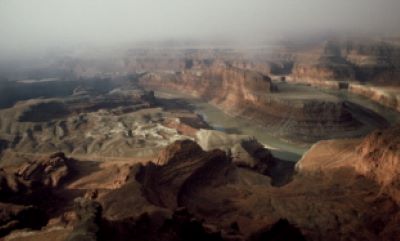
If you get into Moab with energy left, don’t waste the evening. Take a short drive to Dead Horse Point State Park for the sunset.
If you’re too tired, just settle into Moab. Walk Main Street. Get a good dinner. Rest up.
Tomorrow the real show starts.
Day 2: Arches National Park
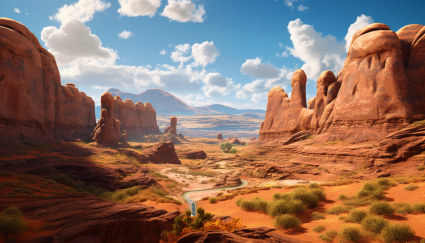
Today is Arches day.
This park is compact enough to see a lot in one day but don’t confuse that with easy. It’s a park of stops, walks, short drives, and decisions. Pace matters here.
Start at the Visitor Center. After the obligatory capital outlays, work your way along the main road through the park.
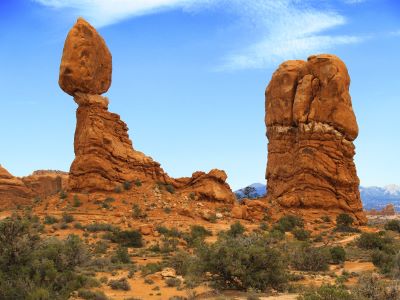
Stop at Park Avenue, Balanced Rock, The Windows, and whatever other rock formations catch your eye.
If your group wants the signature hike, make Delicate Arch your big mission. If you want an easier option, the viewpoint area is still worth doing.
By late afternoon, keep your schedule loose.
Arches glows beautifully when the light softens. That’s the time to revisit a favorite stop, make one more short hike, or simply enjoy the scenic drive back out.
Day 3: Canyonlands National Park
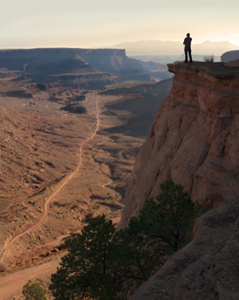
Today is Canyonlands National Park day and I’d focus on Island in the Sky.
That’s the smart move for most travelers on a 10-Day itinerary for Utah Mighty Five national parks. Island in the Sky is the easiest part of the park to visit in a short time and has big rewards for relatively little effort.
Canyonlands is carved by the Colorado River and the Green River. The scale here is hard to overstate.
The overlooks feel enormous. The drop-offs feel real. The silence feels bigger than in almost any other park on this trip.
Mesa Arch is the famous short hike. Grand View Point is another strong choice. If you want a little more windshield scenery, simply working the scenic drive and stopping often is perfectly valid.
If you still have extra time and energy, this is also when Dead Horse Point State Park fits nicely if you didn’t do it on Day 1.
Day 4: Moab to Capitol Reef National Park
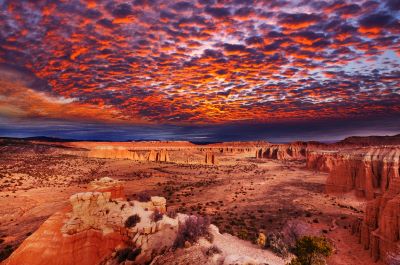
Today you leave the Moab area and head west toward Capitol Reef.
This is a terrific transition day. Don’t treat it like dead time.
Goblin Valley State Park is a worthy side stop if you want something weird and memorable. It is just north of Hanksville off I-80.
From there, continue toward Capitol Reef National Park and the small town of Torrey.
Capitol Reef is the least hyped of Utah’s national parks and I mean that as a compliment. It sneaks up on people. Then it wins them over.
It’s our favorite Utah national park. We just love the area and the small town atmosphere of Torrey.
If you arrive with enough daylight, drive part of the park and stop at the Visitor Center. Even a short evening look around pays off here.
It’s only a 15 minute driver or less from Torrey to the Visitor Center.
Day 5: Capitol Reef National Park
Give Capitol Reef a real day.
That’s one of the biggest advantages of this longer itinerary. Most people shortchange this park. You don’t have to and I wouldn’t recommend it.
Start with the main developed area around Fruita and the Visitor Center. Then do the scenic drive.
For a hike, Hickman Bridge is one of the best choices. It gives you a real feel for the terrain without eating your entire day.
We did it in just over an hour up and back but we were booking it. Read about it here.
If you have extra time, linger. This is a good park for that.
Pull over. Take photos. Walk short stretches. Notice the desert varnish, the color changes, and the way the cliffs stack up around you.
Day 6: Capitol Reef to Bryce Canyon National Park
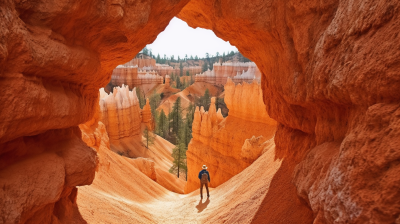
This is one of the best driving days in the whole American West. Our favorite drive in Utah.
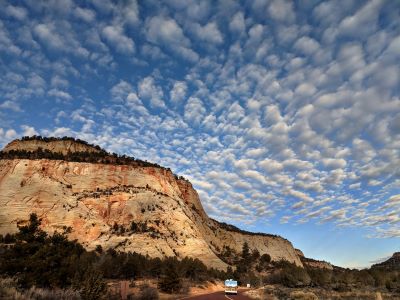
The route between Capitol Reef and Bryce follows Scenic Byway 12 and it’s one of the highlights of the entire trip.
This isn’t a day to rush.
Take your time. Enjoy the overlooks. Stop in Boulder or Escalante for lunch. Let the road be part of the destination.
By the time you reach Bryce Canyon, use your remaining daylight for a first look at the rim.
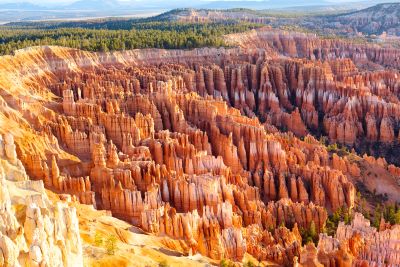
Sunset Point, Sunrise Point, Bryce Point, and Inspiration Point are the big names for a reason.
Day 7: Bryce Canyon National Park
Today is your full Bryce day.
Start with the Bryce Amphitheater area. If you only had a couple of hours in the park, this would be the highest-priority zone.
For many visitors, the classic move is to combine viewpoints with one short hike. Even a simple rim walk can be awe-inspiring.
Then drive farther south on the main road. Bryce is a park where the scenic drive truly matters.
This is also a good day to stay out late. Bryce has beautiful evening light. It’s one of the most photogenic parks in the country.
Day 8: Bryce Canyon to Zion National Park
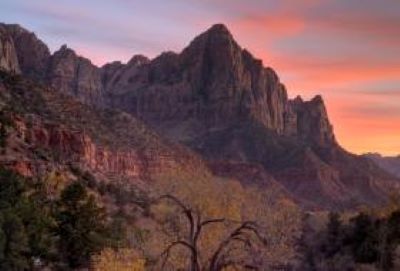
Today you move from Bryce to Zion and the contrast is one of the best parts of the trip.
Bryce feels high, open, and sculpted. Zion feels deep, vertical, and alive.
The drive is not especially long … 1 ½ hours … so you can make this a half-travel, half-exploration day.
If timing works out, Canyon Overlook Trail is one of the best short hikes near Zion.
Once you reach Springdale (or base in Hurricane St. George), settle in and enjoy the setting.
Day 9: Zion National Park
Today is your main Zion day.
Start early. That matters here more than almost anywhere else.
If you have the permit and the nerve, Angel’s Landing is the famous challenge. If not, don’t worry about it. Especially if you don’t like heights.
Emerald Pools Trail is another classic option. Riverside Walk is excellent too, especially for a more relaxed pace.
Zion is also the park where one viewpoint can stay with you for years. Sometimes the best move is to ride the shuttle, get off where the canyon walls speak to you, and simply let the park do its work.
Day 10: Zion National Park and Departure
If you’re flying home from Las Vegas, this is easy. Zion to Las Vegas is a very reasonable finish. Just over 2 hours.
If you need to return to Salt Lake City, this becomes another long driving day as it takes about 4 hours. That’s not ideal but it is still workable on a 10-day schedule.
My advice is simple. Use the morning in Zion. Grab one more overlook.
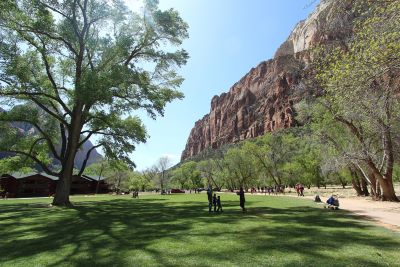
Walk one more short trail. Enjoy one more look at the sandstone cliffs and the Virgin River corridor. Then start north.
Itinerary 2: Starting from Colorado or the East
This version works beautifully for travelers entering Utah from Colorado. It follows the same park order which makes sense geographically but it somehow feels a little easier.
You can check Itinerary 1 for more detail to avoid redundancy here.
Day 1: Arrive in Moab
Your goal today is simple. Get to Moab and get settled.
You’re not trying to conquer a park yet. You’re getting in position.
If you arrive early, stroll downtown, grab dinner, and maybe drive a short distance toward the parks for a feel of the landscape.
Day 2: Arches National Park
Use your full first park day for Arches.
Because you’re not coming all the way from Salt Lake City first, you can make this day more leisurely.
Spend more time at the stops. Do the easy viewpoints and one stronger hike. Revisit what you liked most.
Day 3: Canyonlands National Park and Dead Horse Point State Park
Today, pair Canyonlands with Dead Horse Point State Park. The lookout at Deadhorse Point actually looks out over Canyonlands.
This is one of the best route combinations in central or southern Utah because the geography fits and the moods complement each other.
If you want the easiest big-payoff Canyonlands experience, stick with Island in the Sky.
If you’re a stronger hiker and want a different feel, save the Needles District for a future trip unless you’re deliberately building the day around it.
Day 4: Moab to Capitol Reef via Goblin Valley
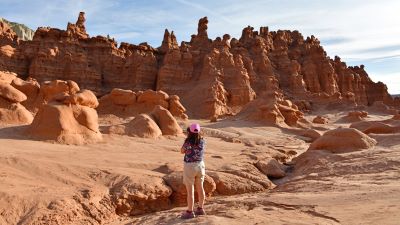
As I wrote earlier, this is a smart day for Goblin Valley State Park.
That stop breaks up the drive and gives you something fun, strange, and completely different before you settle into Capitol Reef country.
By late afternoon, you’ll get into Torrey.
Torrey is one of those little gateway towns people remember fondly. We love this little town.
There are a few great little Airbnbs here. It’s small. Scenic. Relaxed.
There’s an excellent steakhouse here … the Broken Spur ... and a couple more excellent restaurants one of which is the Rim Rock Inn. We recommend both.
Day 5: Capitol Reef National Park
Give Capitol Reef a real day just like in the Salt Lake version.
Do the Visitor Center. Take the scenic drive. Do Hickman Bridge or another moderate trail.
Take your time. Capitol Reef rewards attention.
Day 6: Capitol Reef to Bryce on Scenic Byway 12
This is still one of the signature driving days of the whole itinerary.
Drive it slowly. Let the scenery pile up. Grand Staircase-Escalante National Monument deserves your respect.
If you want a future return trip idea, this corridor is one.
Day 7: Bryce Canyon National Park
Full Bryce day.
Prioritize the amphitheater. Add the southern scenic drive. Mix overlooks with one decent hike. Stay flexible.
Bryce isn’t a park that requires huge mileage to be rewarding. It rewards smart stopping more than brute force.
Day 8: Bryce to Zion
Move west to Zion.
Let this be a transition day. Travel. Stop where it makes sense. Get into Springdale early enough to enjoy it.
Or wherever you’re staying. Check here on best places to stay in this area.
If you feel ambitious, try Canyon Overlook Trail. If not, save your legs.
Day 9: Zion National Park
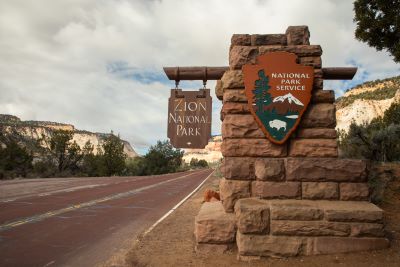
This is your full Zion day.
Choose the park experience that fits your group. Try Angel’s Landing if you have the permit and want the challenge. Especially if high places don’t bother you.
Emerald Pools Trail if you want a classic but more moderate outing. Riverside Walk if you want beauty with less effort.
The shuttle is always a great, no-hassle way to go.
Day 10: Departure day or Southwest Add-on Day
This is where the east-entry version becomes wonderfully flexible.
You can simply depart. You can loop back home. Or you can use the final day as a Southwest add-on depending on where you’re heading next.
If you’re looking for more amazing scenery, Horseshoe Bend, Lake Powell, Antelope Canyon, and Monument Valley (much further east) can fit before or after parts of this trip.
Itinerary 3: Starting From
Las Vegas or the South
For many travelers, this is actually the cleanest version of all. Especially for those coming from much further away.
And it’s obviously the best way for those coming from southern California and Las Vegas.
Las Vegas is close. Flight options are strong. Car rentals are easy.
And the route naturally builds from Zion and Bryce toward Capitol Reef, then on to the Moab parks.
It’s pretty much Itinerary 1 and 2 in reverse. And remember, read Itinerary 1 for more detail about each park area.
Day 1: Las Vegas to Zion National Park
Start in Las Vegas and head toward Zion.
If you want an excellent warm-up stop, Valley of Fire State Park is on the way from Las Vegas and absolutely worthy of your attention if you’re adventurous.
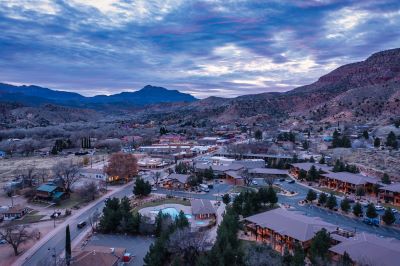
Then continue into Zion country and settle in around Springdale.
Day 2: Zion National Park
Use today for your main canyon experience.
Take the shuttle. Do one of the classic trails. Keep the rest of the day flexible.
If you want the simpler Zion win, do Riverside Walk plus Emerald Pools Trail and spend the remaining time riding the shuttle and enjoying the canyon.
Day 3: Another day in Zion National Park
Use this second Zion day for either a bigger hike or a quieter corner.
This is where ten days really pays off. Most shorter itineraries force Zion into one packed day. You don’t have to do that.
If you have an Angel’s Landing permit, today is a good day for it.
If not, use this day for the Canyon Overlook Trail, more time along the Virgin River, scenic stops on the east side, or even a relaxed morning followed by a nice afternoon in Springdale.
Day 4: Zion to Bryce Canyon National Park
This is a short drive by Mighty 5 standards. One more reason the southern route is so attractive.
You can leave Zion, work your way to Bryce, and still have meaningful sightseeing time in the afternoon.
Use the afternoon for rim viewpoints and maybe one short walk.
Day 5: Bryce Canyon National Park
Give Bryce the same full-day treatment as in the other versions.
Start with the amphitheater. Mix in one hike. Drive south on the main road. Linger where the light is good.
If your group is less hike-focused, this may be one of the easiest parks to enjoy purely from viewpoints and short walks.
Day 6: Bryce to Capitol Reef via Scenic Byway 12
This is where the southern version becomes outstanding.
You move from Bryce through some of the most scenic country in the state and reach Capitol Reef without feeling like you wasted the day.
Drive Scenic Byway 12 at a relaxed pace. This corridor is loaded with beauty.
By evening, settle into Torrey.
Day 7: Capitol Reef National Park
Spend today properly in Capitol Reef.
Do the scenic drive. Walk one trail. Make time for overlooks.
Get a feel for the Waterpocket Fold and for the quieter personality of the park.
Day 8: Capitol Reef to Moab
Head east toward Moab.
If you want an interesting side trip just north of Hanksville, visit Goblin Valley State Park. The hoodoos live up to their name in this eerie setting.
You may also want a relaxed lunch stop around Green River.
If you get into Moab early, you can use the evening for a short drive into Arches or a sunset stop at Dead Horse Point State Park.
Day 9: Arches National Park
Full Arches day.
At this stage of the trip, most travelers have figured out how much hiking they really want to do. That helps.
Do iconic Delicate Arch if it’s calling your name. Or keep the day built around shorter walks and scenic stops.
Day 10: Canyonlands National Park and Departure
Finish with Canyonlands.
Island in the Sky is still the strongest choice for a final-day visit because it gives you maximum impact without forcing a huge commitment.
If you’re continuing east, perfect. If you’re looping back south or west, you have a long travel day ahead. But at least you end on a high note.
Final Thoughts
A 10-Day itinerary for Utah Mighty Five national parks is long enough to feel satisfying and short enough to stay practical.
That’s why I like it so much.
- You see all five parks.
- You get the famous sights.
- You get the scenic drive days.
- You get the short hike days.
- You get room for a few state parks, a few scenic byway surprises, and a few moments when you simply pull over because the land in front of you is too amazing to ignore.
That’s how a Utah national parks road trip should feel.
Not frantic. Not joyless. And definitely not like you’re checking boxes.
It should feel big. Exciting. A little wild. A little comfortable. Memorable in the right ways.
And with 10 days, it usually is.