That You Were Never The Same?
Fly
Fishing in Utah
A Quick, Clear Guide
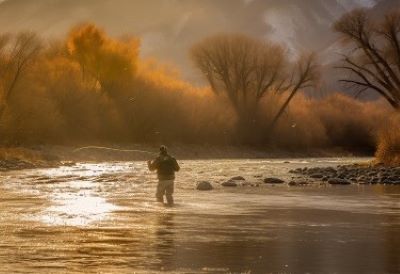
Cure For That Amiable Madness
When it comes to the best fly fishing in Utah, it’s still possible to get spoiled in a hurry. That’s the good news.
You’ve got clear mountain streams. Big tailwater rivers. High Uinta lakes. Desert canyons. Blue Ribbon fisheries. Tiny creeks. Big reservoirs.
And enough trout water to keep you busy for years.
You can catch brown trout in a canyon river. Rainbow trout in a cold reservoir. Cutthroat trout in clear mountain water. Or brook trout in a small stream where the fish may not be huge but the setting is perfect.
That’s the great thing about fly fishing in Utah. It’s not just one experience. It’s many.
I once saw the love of fishing referred to as “that amiable madness.” Well, if you have it, this article might be the start of a remedy. Maybe even a cure.
Whether this is your first time with a fly rod or you have years of experience, Utah gives you plenty of choices.
You can keep it simple. You can hire a guide. You can chase big fish.
Or you can just wander up a small creek and enjoy the day.
This isn’t a complete guide. It’s a starting point. Even so, it's a long article and I apologize for that.
Once I started writing it, it just naturally kept flowing. I wanted to make sure it gave you as much information as possible.
It's a relatively quick, clear overview of some of the best places to enjoy fly fishing in Utah.
It includes what to expect, when to go, what flies to carry and what access issues to watch for.
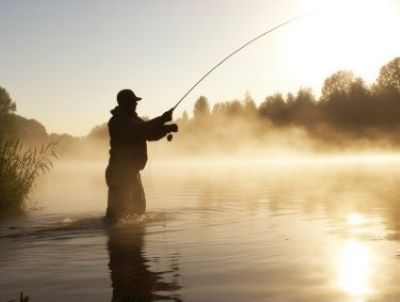
Utah Fishing Rules and Access
What to Know
Before you go, get a valid Utah fishing license.
Also check the current Utah Fishing Guidebook. Rules can change by water, species, limit, bait restriction and time of year.
That matters.
Some waters allow harvest. Some are catch-and-release. Some have artificial fly and lure rules. Some have slot limits. Some change from year to year.
Access matters too. More than I care to admit. And it’s a sore point with me. Just ask my wife.
Utah has some wonderful public access. It also has some fisherman-unfriendly landowner laws that can limit where you step into the water.
Let’s put this out there right now. In Utah, there’s a good old boy network. That network pretty much is composed of 100% LDS (formerly known as Mormon) members.
So in the Utah State Legislature, typically up to 90% of the members are LDS. Whoops. And on the Utah Supreme Court, how many members do you suppose are LDS?
Well, historically, it’s 80 - 100%. With five members, they have at least tried to get one non-member in there but they also try to keep this information quiet.
I didn’t spend a lot of time on this but in 1990, all five members of the Utah Supreme Court were LDS. Church members … and the church itself …own a vast amount of the rural land in Utah. There’s that.
So here’s where I’m going with this. In May 2023, the Utah Supreme Court (80-100% LDS depending on the year) upheld the 2010 Public Waters Access Act.
This ruling declared that the public does not have a constitutional right to walk on private streambeds even if the water itself is public.
This decision severely restricted fishing access. How? By prohibiting anglers from wading in or walking on the bed of streams flowing through private land without permission.
So, for fly fishermen, here’s the bottom line. In some places, the water may look public but the streambed may cross private property.
That means you can’t always just hop a fence, walk a bank, or wade upstream because the water looks inviting.
A few common-sense rules:
- Use legal access points.
- Watch for signs.
- Respect private property.
- Ask permission when needed.
That’s just part of fly fishing in Utah. It’s better to know before you go.
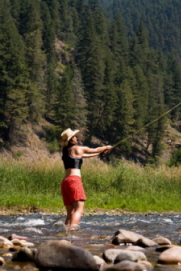
Is Fly Fishing in Utah Any Good?
Utah has variety. That’s its strength.
Even so, due to the access law explained above, it’s not as good, obviously, as it used to be.
You can still fish close to Salt Lake City in the morning and be home for dinner. You can head a few hours east to the Green River and fish one of the great tailwaters in the West.
You can drive the Mirror Lake Highway and explore small streams and high lakes in the Uinta Mountains.
You can head south and find quieter waters near Capitol Reef, Boulder Mountain and Beaver.
Utah also has a strong Blue Ribbon Fisheries program.
These blue ribbon fisheries are managed for quality fishing, good habitat and healthy fish populations. Many of them are among the best fly fishing waters in the state.
Some are famous. Some are quiet. Some take effort. Some now have restricted access.
All are worth knowing about.
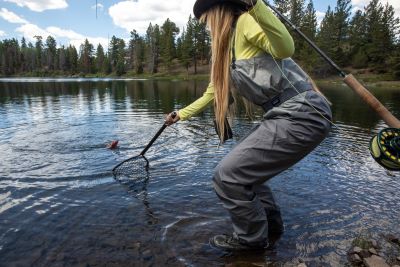
Image - Travel Utah
Green River Below Flaming Gorge
The Green River below Flaming Gorge Dam is probably the most famous fly fishing river in Utah. And for good reason.
This is where many anglers go for the experience of a lifetime.
- Clear water
- Red canyon walls
- Rising trout
- Drift boats
- Long slicks
- Big fish
- And scenery that almost makes you forget you came to fish.
The Green River is usually talked about in three main sections.
- A Section: From Flaming Gorge Dam to Little Hole. This is the most famous and most heavily fished stretch.
- B Section: A longer, wilder stretch with beautiful canyon water.
- C Section: More remote with less pressure and a different feel.
Most anglers fish the Green from a drift boat. You can also wade some areas especially near access points.
The Green is known for excellent brown trout and rainbow trout fishing.
But, it can also humble you. The water is clear. The fish see a lot of flies. So good presentation matters.
Best time: Spring and fall are excellent. Summer can be good especially early and late. Winter can also produce fish when weather allows.
Best flies: Midges, blue-winged olives, scuds, sow bugs, small nymphs, caddis, cicadas in the right years, terrestrials and streamers. In summer, dry flies can be outstanding.
How to get there: Head toward Dutch John and Flaming Gorge. From Salt Lake City, many anglers drive through Wyoming and drop down toward Manila and Dutch John.
The scenery south of I-80 is jaw-dropping. It takes just under 3 hours from Salt Lake City to Flaming Gorge.
Utah’s Flaming Gorge Reservoir is also worth knowing. It’s a huge fishery in its own right.
More known for monstrous lake fishing trout from a boat, it probably shouldn’t be included in a fly fishing article. If you want to try it, always check the current rules because it straddles the Utah-Wyoming state line.
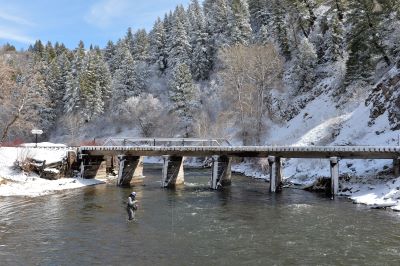
Image - Travel Utah
Middle Provo River
The middle Provo River is one of the classic fly fishing waters in Utah. It flows through the Heber Valley between Jordanelle Reservoir and Deer Creek Reservoir.
It’s close to Salt Lake City. It’s close to the Park City area.
It’s beautiful. And it has plenty of fish. That’s why it gets fished hard.
Still, the middle section of the Provo River remains one of the best places in Utah to learn, improve and catch trout on a fly rod. It has good insect life, steady flows and strong trout populations.
Expect brown trout, rainbow trout and occasional cutthroat trout. And access is still relatively easy although land in the area is being gobbled up for residential development.
Best time: The middle Provo fishes well much of the year. Spring can be excellent before heavy runoff. Summer brings caddis, PMDs and evening dry fly fishing. Fall is beautiful. Winter can be good with small nymphs and midges.
Best flies: Zebra midges, sow bugs, pheasant tails, hare’s ears, prince nymphs, PMDs, caddis, blue-winged olives, small streamers and terrestrials.
How to get there: From Salt Lake City, drive toward Park City and then Heber City. The river is easy to reach from the Heber Valley near Midway, Charleston and the roads between Jordanelle and Deer Creek.
This is also a perfect place to hire a guide. Local fly shops and Utah fly fishing guides know the flows, hatches and access points.
That can make a big difference especially if you’re short on time.
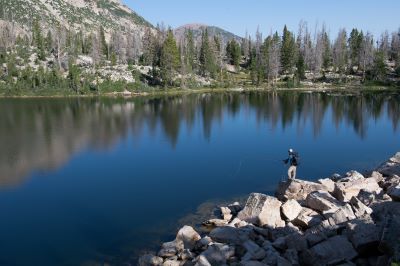
Image - Travel Utah
Lower Provo River
The lower Provo River flows out of Deer Creek Reservoir and down Provo Canyon toward Utah Lake.
This is another classic river for fly fishing in Utah. It’s close. It’s scenic. It’s productive.
And yes, it can be crowded.
The canyon section is the part most fly anglers talk about. It has brown trout, rainbow trout, mountain whitefish and occasional cutthroat trout.
The lower Provo is also a good winter option. When other waters are iced up or difficult, this river can still fish well.
Of course there’s that access thing again.
Best time: Spring, summer, fall and winter can all work. In winter, fish the warmer part of the day. In summer, go early or late.
Best flies: Midges, sow bugs, small mayfly nymphs, blue-winged olives, caddis, PMDs, terrestrials and small streamers.
How to get there: From Salt Lake City, take I-15 south toward Orem and Provo. Then head up Provo Canyon. You can also reach it from Heber by driving down Provo Canyon.
This is a great fly fishing river with a deserving reputation. Just don’t expect to have it to yourself. It’s never been a secret.
If you’re a visitor to the state, a guide will serve you well here also.
If not, do your research about where you can legally access it.
Weber River
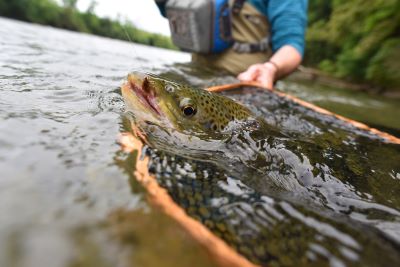
The Weber River is one of the most important fly fishing rivers in northern Utah.
It starts high in the Uinta Mountains and eventually flows west toward the Ogden area. Anglers fish different sections near Wanship, Coalville, Echo, Morgan and above Ogden.
Several decades ago, one of my co-workers told me he had a mounted brown trout on his wall. He had caught it almost right in the hamlet of Wanship along the Weber.
He told me it was more than 10 lbs. I never saw it but he wasn’t a BS’er.
The Weber River can be excellent. It can also be frustrating.
Why? Access.
Some sections have good public access. Some are limited by private property.
Some stretches have special access rules because of past legal fights over stream access.
So don’t guess. Check before you go.
The Weber River has brown trout, rainbow trout, cutthroat trout and mountain whitefish in different sections.
Best time: Spring before runoff, summer after flows settle, and fall are all good. Winter can produce fish when conditions allow.
Best flies: Midges, pheasant tails, hare’s ears, prince nymphs, caddis, PMDs, hoppers, ants, beetles and streamers.
How to get there: From Salt Lake City, take I-80 toward Wanship and Coalville. For lower stretches, head toward Morgan or Ogden.
This is one river where local fly shops can save you a lot of trouble. Again, ask about legal access before you fish.
Image - Travel Utah
Logan River and Blacksmith Fork
Northern Utah has some excellent trout water.
The Logan River is one of the best. I’ve spent a lot of time fishing along this river.
I usually had kids tagging along so it was often not with a fly rod. Nonetheless, the Logan can be a classic fly fishing experience.
It runs through Logan Canyon and offers pocket water, pools, riffles and classic mountain scenery. It’s a great summer dry fly stream and a nice escape from the heat.
You may find brown trout, rainbow trout, cutthroat trout and mountain whitefish depending on the stretch.
Nearby Blacksmith Fork … one canyon over … is another strong option.
It’s smaller. It’s pretty. It’s easy to like. It has brown trout, rainbow trout, Bear River cutthroat trout and mountain whitefish in different areas.
The Bear River also deserves a look. It’s a bigger northern Utah water with trout opportunities but access and conditions vary. Private land abounds.
Best time: Late spring after snow melt, summer and early fall are best. Some winter fishing can work on the right days.
Best flies: Elk hair caddis, parachute Adams, stimulators, small mayfly nymphs, pheasant tails, hare’s ears, midges and small streamers.
How to get there: From the Salt Lake City area, take I-15 north. Then head into Cache Valley toward Logan. Logan Canyon follows US-89. Blacksmith Fork is southeast of Logan near Hyrum.
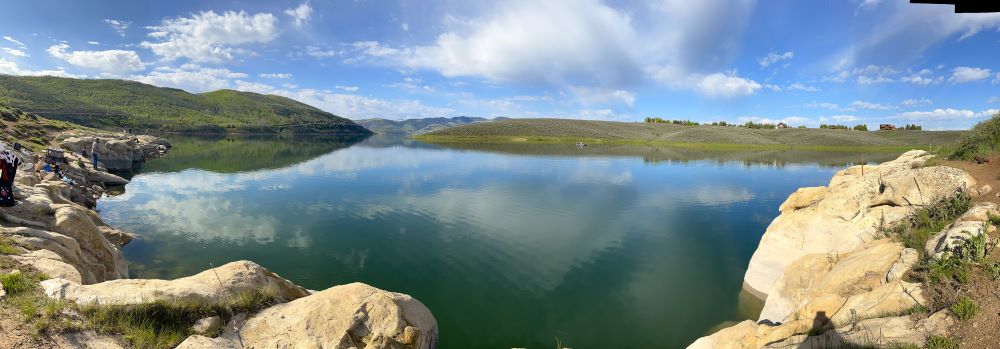
Strawberry Reservoir and Strawberry River
Strawberry Reservoir is one of Utah’s best trout reservoirs. And it’s not just for bait anglers or boat trollers.
Fly anglers do well from shore, float tubes, pontoons and boats.
Strawberry is known for cutthroat trout and rainbow trout. It can produce some beautiful fish but be aware of the slot limit.
Casting a wooly bugger from a float tube has always been my favorite way to fish Strawberry. Just keep an eye on the weather conditions.
Winds can kick up real fast and the weather can turn on a dime. A small engine on a pontoon will serve you well.
Trying to kick against strong waves in a float tube is a losing proposition.
Believe it or not, I tore a knee cartilage kicking my float tube back to shore after the poorly-manufactured seat failed the first time I took the tube out. Read about it here if you’re interested.
This is one of the better places in Utah to target rainbow and cutthroat trout.
The Strawberry River below the reservoir is another important fishery. Some sections have good public access. Other areas are more complicated. Check access carefully before fishing.
Best time: Ice-off in spring can be excellent. Late spring and early summer can be good. Fall is another prime season as trout move back toward the shallows.
Best flies: Leeches, woolly buggers, Chironomids, balanced leeches, damsel nymphs, Callibaetis nymphs, scuds, streamers
How to get there: From Salt Lake City, head toward Heber City and then east on US-40. Strawberry Reservoir sits high above the Heber Valley and makes a great day or weekend trip. It’s just over an hour from Salt lake City.
Nearby Currant Creek is also worth exploring if you like quieter water. You have both the reservoir and the creek below it to try.
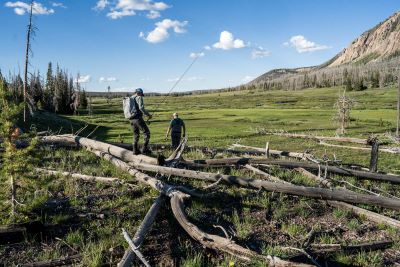
Image - Travel Utah
Uinta Mountains North Slope
The Uinta Mountains North Slope is one of the best areas in Utah for small streams and high-country fly fishing.
This is where you go for cool air, pine trees, small water and wild-feeling country. And always expect a daily dose of rain. It’s a given up here.
Don’t expect the Green River. Expect small streams, high lakes, brook trout, cutthroat trout, rainbow trout and a lot of exploring.
That’s the point.
The North Slope has many creeks and lakes. Some are easy to reach. Others require hiking. This is a great place for lightweight rods, small dry flies and a slower pace.
Best time: Summer and early fall. Snow melt can keep water high and cold early. By July, many waters come into shape. August and September can be wonderful.
Best flies: Royal Wulff, elk hair caddis, parachute Adams, stimulators, ants, beetles, small hoppers, copper Johns, pheasant tails and small woolly buggers.
How to get there: The Mirror Lake Highway is the classic access route from Kamas. It opens seasonally depending on snow.
From there, you can explore lakes, trailheads and small streams. Memorial Day always seems to be the sweet spot in Utah when everything seems to open up including the campgrounds.
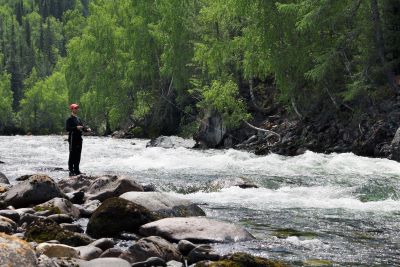
Uinta Mountains South Slope
The Uinta Mountains South Slope is another excellent area for fly fishing in Utah.
It often feels more remote than the Mirror Lake Highway side. It’s probably because there’s less pressure and fewer people.
It also gives you access to productive streams like the Duchesne River North Fork and Duchesne River West Fork.
These waters can be beautiful. They can also change quickly with snowmelt, storms and summer heat.
And more recently, drought. Although the Uintas themselves seem to be impervious to that.
You’ll find cutthroat trout, brook trout, brown trout and rainbow trout in different waters.
Best time: Late June through September is usually the most dependable window depending on snowpack.
Best flies: Small dry flies, caddis, hoppers, ants, beetles, pheasant tails, hare’s ears and small streamers.
How to get there: Take US-40 toward the Uinta Basin. Then roads toward Duchesne, Hanna, Tabiona and the mountain drainages. Check road conditions especially early and late in the season.
The East Fork and other high-country tributaries can also be worth exploring. Just pay close attention to public access and private land boundaries.
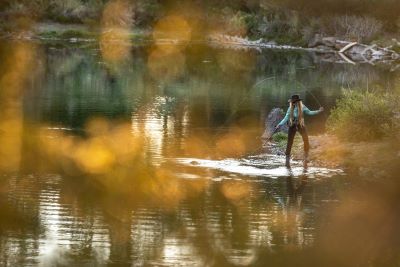
Image - Travel Utah
Fremont River
The Fremont River is a southern Utah favorite.
It’s not huge. It’s not as famous as the Provo or the Green.
But the setting is hard to beat.
You’re near Capitol Reef country. Red rock. Cottonwoods. Desert light. Small water. Surprise trout.
The Fremont River can hold brown trout and rainbow trout in different stretches. It’s a fun choice when you want to mix fly fishing with a southern Utah road trip.
Best time: Spring and fall are usually best. Summer can be warm, so fish early or move higher. Winter can work on mild days.
Best flies: Small nymphs, midges, pheasant tails, hare’s ears, caddis, small dries, hoppers and small streamers.
How to get there: Head toward Bicknell, Torrey, and Capitol Reef National Park. Access varies so check public land boundaries and posted private property.
This is a good add-on if you’re visiting Capitol Reef, Boulder Mountain or southern Utah blue ribbon waters.
Boulder Mountain
Boulder Mountain is one of Utah’s great high-country fishing areas.
It sits above the little town of Boulder between Torrey and Escalante. It’s full of lakes, ponds, meadows, forests and fish.
This is not one single fishery. It’s a whole region.
Some waters are easy to reach. Others require a rough road, a hike, or both. That’s part of the charm.
Boulder Mountain is known for brook trout, cutthroat trout, rainbow trout and tiger trout in various lakes.
Best time: Summer into early fall. Some higher lakes stay iced up late. Mosquitoes can be rough early so be ready.
Best flies: Leeche, woolly buggers, damsel nymphs, Chironomids, Callibaeti, ant, beetles, hoppers, stimulators, small dry flies.
How to get there: Take Scenic Byway 12 through Boulder from Escalante. Or come down from Torrey and Capitol Reef on the same scenic highway.
To get to the fishing, roads can transition from paved highway to rough forest roads so prepare for that.
This is a perfect place to combine fishing with Highway 12, Capitol Reef, Grand Staircase-Escalante and some of the best scenery in the state. Just make sure you have the right vehicle for it.
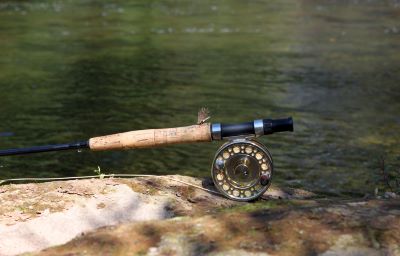
Beaver River
The Beaver River is another underappreciated Utah fly fishing option.
It flows out of the Tushar Mountains near Beaver. It’s smaller water but it can be a very enjoyable place to fish.
The area includes canyon water, nearby reservoirs and access to higher mountain streams. After this past winter of 2026 with some of our lowest snowfall levels ever, the Beaver is likely to be extremely low.
In good years with healthy runoff, expect brown trout and rainbow trout in the system with brook trout and other trout species in nearby higher waters.
Best time: Late spring after runoff, summer and fall.
Best flies: Attractor dry flies, caddis, small mayflies, pheasant tails, hare’s ears, hoppers, ants, beetles and small streamers.
How to get there: Take I-15 to Beaver. Then head east toward Beaver Canyon and the Tushar Mountains.
This is a nice choice when you want to fish away from the busier northern Utah rivers. Again, check ahead for this year … 2026 … as most of the state experienced one of our worst snow years ever.
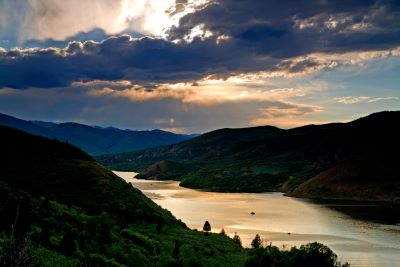
Deer Creek Reservoir
And Jordanelle Reservoir
Some fly anglers ignore reservoirs. That’s a mistake.
Deer Creek Reservoir and Jordanelle Reservoir are both tied to the Provo River system. They’re also easy to reach from Salt Lake City, Park City and the Heber Valley.
Deer Creek sits below the middle Provo and above the lower Provo.
Jordanelle sits above the middle Provo.
Both hold trout and other common game fish in Utah. They’re also good places for families, boats, shore fishing, pontoons, and float tubes when conditions are right.
They’re also among the best Utah state parks for anglers who want easy access, scenery and a full day outdoors.
Best time: Spring and fall are usually best for trout from shore. Summer can be better early, late, deeper, or from a boat.
Best flies: Woolly buggers, leeches, chironomids, balanced leeches, damsel nymphs, callibaetis and streamers.
How to get there: Deer Creek is near Heber, Charleston and Provo Canyon. Jordanelle is between Heber City and Park City.
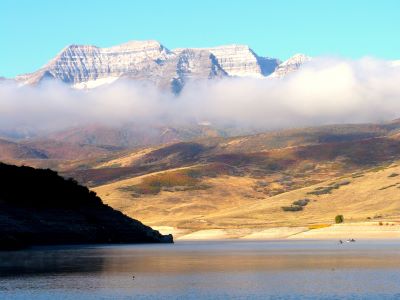
Ogden River South Fork
The Ogden River South Fork is a good northern Utah option especially for anglers around Ogden, Huntsville and the Ogden Valley.
It’s smaller than the Provo and Green. It’s also more intimate.
You’ll find trout water, canyon scenery and a nice change of pace from the more well-known rivers.
Best time: Late spring after runoff, summer and fall.
Best flies: Small dry flies, caddis, mayfly nymphs, pheasant tails, hare’s ears, midges, hoppers and small streamers.
How to get there: Head east from Ogden toward Ogden Canyon, Pineview Reservoir and Huntsville. Watch property boundaries and use public access.
Price River, Pine Lake, Cottonwood Creek
And Antimony Creek
Central and southern Utah have more fly fishing than many visitors realize.
The Price River can offer trout opportunities in the right stretches and conditions. It doesn’t get the same attention as the Provo but it can still be worth exploring.
Pine Lake, Cottonwood Creek and Antimony Creek are part of the broader southern Utah fishing picture.
These waters can be good options when you’re traveling between Bryce Canyon, Escalante, Otter Creek, Capitol Reef and the high plateaus.
Best time: Spring and fall at lower elevations. Summer in higher country.
Best flies: Small nymphs, woolly buggers, leeches, caddis, hoppers, ants, beetles and attractor dries.
How to get there: These waters are scattered across central and southern Utah. Use DWR maps, forest maps and current local information before heading out.
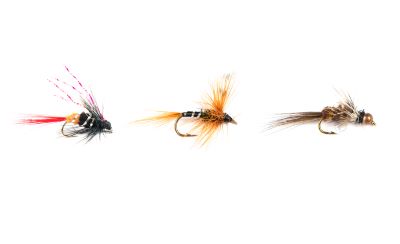
Best Flies to Use in Utah
There is no single list of the best flies to use in Utah.
The state has tailwaters, freestone streams, spring creeks, reservoirs, high lakes and desert waters.
But a basic Utah fly box should include:
- Midges
- Zebra midges
- Pheasant tails
- Hare’s ears
- Prince nymphs
- Sow bugs
- Scuds
- Blue-winged olives
- PMDs
- Caddis
- Elk hair caddis
- Parachute Adams
- Royal Wulff
- Stimulators
- Ants
- Beetles
- Hoppers
- Woolly buggers
- Leeches
- Small streamers
For winter river fishing, think small and slow.
Small nymphs near the bottom are often the ticket.
For summer high-country fishing, dry flies are often more fun.
For reservoirs, carry leeches, chironomids, damsel nymphs, callibaetis and woolly buggers.
For fall brown trout, don’t forget streamers.
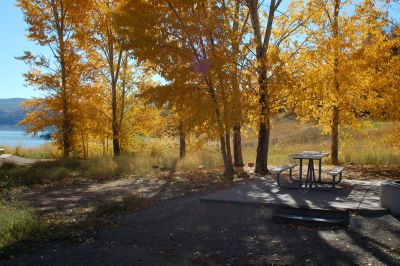
Conditions by Month
Here’s a simple way to think about conditions by month.
January and February: Winter nymphing. Fish slower water. Use midges, sow bugs and small nymphs. Fish the warmest part of the day.
March and April: Tailwaters can be excellent. Watch for blue-winged olives. Flows can change.
May and June: Snowmelt matters. Some rivers get high, cold and off-color. Tailwaters and reservoirs may be better choices.
July and August: High-country months. Fish the Uinta Mountains North Slope, Uinta Mountains South Slope, Boulder Mountain and small streams. Go early and late on warmer waters.
September: Maybe the best time of year. Flows are lower. Nights are cooler. Fish are active. Dry fly fishing can be excellent.
October: Beautiful fishing. Brown trout get more aggressive. Streamers, blue-winged olives and nymphs can all work.
November and December: Winter returns. Well, at least in most years. It kind of missed us this year. Fish slowly. Dress warmly. Watch for ice, snow and access issues.
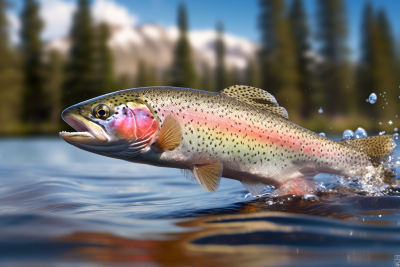
Should You Hire A
Utah Fly Fishing Guide?
For some waters, yes. Especially the Green River.
A good guide can shorten the learning curve fast. They know the flows. They know the hatches.
They know the legal access points. They also know how to help you catch fish without turning the day into a guessing game.
Utah fly fishing guides can also be very helpful on the Provo River, Weber River, Strawberry Reservoir, Boulder Mountain and other waters.
You don’t need a guide every time.
But if you’re coming from out of state, planning special fly fishing trips, or hoping to catch big fish on limited time, a guide can be worth it.
Local fly shops are also worth a call.
Shops in Salt Lake City, Heber Valley, Park City, Logan, Dutch John and southern Utah can help with current conditions, fly choices and access advice.
That can make the difference between a frustrating day and a great one while fly fishing in Utah.
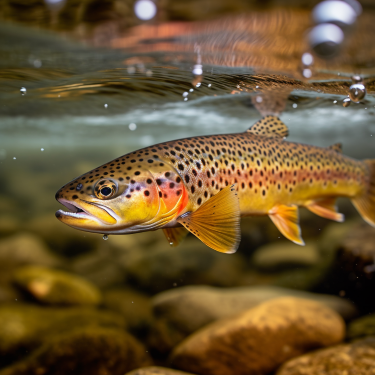
Final Thoughts on Fly Fishing in Utah
Fly fishing in Utah is not one thing. It’s many things.
It’s a drift boat on the Green River.
It’s a quiet evening on the middle Provo River.
It’s a cold winter day on the lower Provo River.
It’s a small stream in the Uintas.
It’s an isolated high lake on Boulder Mountain.
It’s a brook trout on a dry fly.
It’s a brown trout under a cutbank.
It’s a rainbow trout cruising a reservoir shoreline.
It’s a cutthroat trout in clear mountain water.
And that’s what makes the best fly fishing in Utah so good.
You can make it simple or serious. Close to town or far away. Guided or on your own. Easy access or backroad adventure.
Just get your fishing license. Check the rules. Respect private property.
Watch the flows. Stop at local fly shops. Pick the right water for the time of year.
Then go.
Because some of the best fly fishing in Utah starts with just getting started.
And then stacking one more river, one more lake, one more bend and one more cast.
Bryce Canyon National Park
Canyonlands National Park
Wasatch Mountains
Lake Powell
Zion National Park
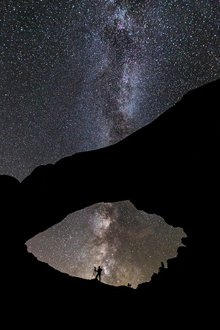
Arches National Park
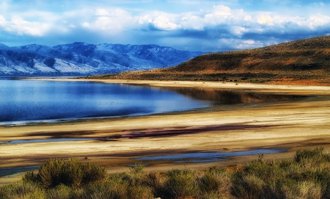
Great Salt Lake
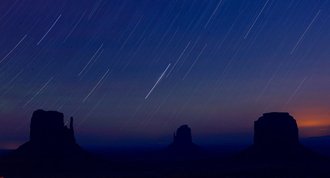
Monument Valley