That You Were Never The Same?
Guide
to The Best Things To
Do in Southern Utah
Like
Nowhere Else in the Country
When people start searching for the best things to do in Southern Utah, one thing quickly becomes apparent.
It is, without a doubt, one of the best road trip regions in America. It really is that simple.
You’ve got famous parks. Quiet state parks. Scenic drives. Small towns. Slot canyons. Big viewpoints. Red rock country that seems to go on forever.
And somehow, the scenery keeps changing on you. One day you’re meandering along beside the Virgin River. The next day you’re up at higher elevation near Cedar Breaks.
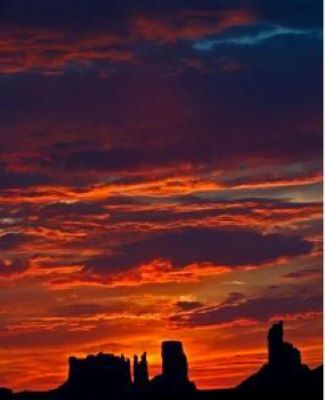
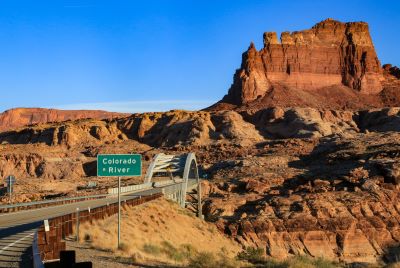
Then, before you know it, you’re looking out across Monument Valley or down into a bend of the Colorado River.
That’s why the best things to do in Southern Utah are not all in one place. They’re spread out. But not too far. And that’s part of the fun.
You can come down from Salt Lake City. You can come in through Las Vegas and southern California. You can come in along I-80 from Colorado.
Either way, you’re stepping into one of the best travel regions in the United States. If you plan it right, you can string together some of the most iconic national parks, scenic overlooks, and hidden gems anywhere in the West.
When assessing the things to see in southern Utah, I’d break it down by area.
St. George, Hurricane, and Zion Country
If you’re going to start anywhere, start here. This is one of the easiest parts of southern Utah to love.
It’s warm. It’s dramatic. And there are a lot of great places packed into a fairly compact area.
Zion National Park
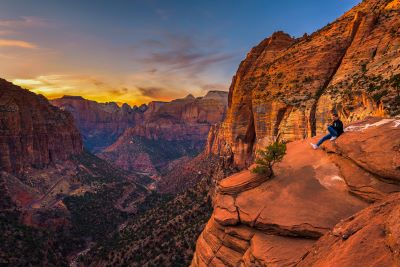
Of course, Zion National Park is the star. If it’s your first time, Zion hits hard.
The canyon walls rise straight up. The cliffs glow in the light. The Virgin River cuts through the bottom of the canyon. And from the minute you enter the park … even before that … you know you’re somewhere special.
The main canyon is also one of the most visitor-friendly parts of southern Utah. During much of the year, the park uses a shuttle service which helps with traffic and takes pressure off the parking lot situation.
That matters, especially in peak season. Zion attracts right around 5 million visitors each and every year!
There are several classic things to do in Zion. Emerald Pools is one of the best-known hikes. Riverside Walk is easy and beautiful.
And Angel’s Landing is still one of the most famous hikes in the country. If you can get a permit and you’re comfortable with exposure, it’s a legendary experience. But it demands caution.
For some, it’s been a life-ending experience. Since 2000, there’ve been at least 14 confirmed deaths due to falls from this trail. This includes one on April 17 of this year, 2026.
Observation Point is another big Zion payoff. Some hikers look into a back trail approach depending on access and conditions. Either way, Zion gives you one memorable view after another.
And then there’s the town of Springdale. It’s one of the best gateway towns in Utah.
Stay there and you’ll have restaurants, lodging, coffee stops, outfitters, and easy access to the park. But don’t stop with Zion.
Snow Canyon State Park
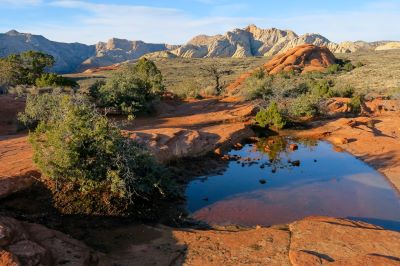
Near St. George, this park is one of the most underrated stops in southwestern Utah. It’s not as famous as Zion. Not even close. But that’s part of the appeal.
You still get red cliffs, lava fields, petrified dunes, and actual lava tubes. You also get easier access and a more relaxed feel.
This is a great park for a short hike. It’s also great for biking, scenic drives, and quick pull-offs when you don’t want a full-day commitment.
If Zion feels like the big show, Snow Canyon feels like the really good local secret.
Then come the reservoirs and the recreation parks.
Sand Hollow State Park
Sand Hollow is one of the most versatile outdoor spots anywhere near St. George. You’ve got water. Red rock. ATV country. Beaches. Steep slickrock nearby.
And those famous sand dunes. If you like mixing scenery with action, this is the place. We were actually quite pleasantly surprised at how beautiful it was on our first visit.
Quail Creek State Park
Quail Creek is smaller and calmer. It’s great for boating, paddling, and other water activities.
More relaxed than Sand Hollow, almost quiet, it’s a good option if you want a scenic afternoon on the water without the crowds of its bigger and busier neighbor.
Gunlock State Park
Gunlock is farther out heading west from St. George. But it’s worth mentioning.
Like Quail Creek, it’s quieter. Less busy. And in the right season, the nearby waterfalls can make it even more worthwhile.
The larger St. George and Hurricane area also gives you golf, family activities, and even dinosaur tracks if you want to mix it up.
That’s one reason this corner of the state works so well. It gives you a variety of things to see in southern Utah.
Cedar City, Cedar Breaks
And Bryce Country
This part of the state feels different almost right away.
That’s one of the great things about southern Utah. You can leave red desert behind and be up in cooler mountain air sooner than you think.
Cedar City
This small college town is a smart base. It’s easy to navigate. It has plenty of services.
And it puts you close to both Cedar Breaks National Monument and the road over the top to Bryce Canyon National Park.
It’s also home to the iconic Utah Shakespeare Festival every summer.
Cedar Breaks
Let’s move to Cedar Breaks National Monument. This is one of those places that catches people off guard.
They don’t expect it to be so impressive. But then they get there and the views hit them.
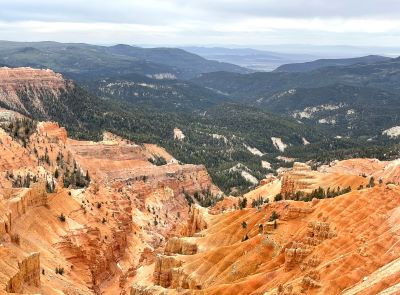
Cedar Breaks sits high in the mountains at over 10,000 feet. Higher elevation means cooler temperatures, especially in summer. On a hot southern Utah trip, that can be a real gift.
The main attraction is the giant natural amphitheater. It’s amazingly colorful. It’s wide open and seemingly bottomless.
It gives you that same kind of hoodoo-and-cliff drama people love at Bryce. The difference is that Cedar Breaks often feels quieter and less rushed.
Bryce Canyon National Park
Bryce is one of the most visually distinct parks in the country. The hoodoos. The amphitheater. The layers of color.
It doesn’t look like anywhere else except maybe a little like a larger Cedar Breaks.
The nice thing is that Bryce gives you fast rewards. You don’t have to work all day for a payoff. Some of the best views are easy to reach.
Sunrise Point, Sunset Point, Inspiration Point, and Bryce Point are all amazing. If you want more, take the longer scenic drive south through the park for even more scenic overlooks.
Nearby Red Canyon is worth your time too. A lot of people drive right through it on the way to Bryce.
It’s a beautiful stop in its own right. And it’s one of those perfect add-on stops that make a trip feel fuller without making it feel rushed.
If you’re planning a Bryce-area trip, don’t think only in terms of the national park. Think in terms of the whole area.
Cedar City. Cedar Breaks. Bryce Canyon. Red Canyon. Put them together and you’ve got one of the best multi-stop sections in southern Utah.

Kolob Canyons
The Kolob Canyons deserve a mention here too.
They are actually part of Zion National Park. But they sit apart from the main Zion Canyon area on the northwest side. It may require a small detour to visit.
A lot of Zion visitors skip it but I think that’s a mistake. Kolob Canyons gives you more of the same red rock drama.
But it feels quieter. More removed. Less rushed. The main draw is the scenic drive.
It’s short, easy, and full of good views. This drive can be accessed from the I-15 side less than ½ hour north of St. George.
Kanab, Lake Powell, And
Canyon Country
Kanab is one of my favorite base towns in southern Utah. It’s friendly. It’s well placed. And it opens up a lot of options.
That matters because this whole part of the state works best when you use a base and branch out. Kanab is excellent for that.
Coral Pink Sand Dunes State Park
One of the standout stops here is Coral Pink Sand Dunes. This is one of the more unique state parks in Utah.
The color is the first thing you notice. The dunes really do look different. Then you realize how much fun the place can be.
You can walk the dunes. Climb them. Take photos. Ride if that’s your thing. Or just let the kids go crazy for a while.
Sometimes that’s enough.
This is also the general area to access Buckskin Gulch, one of the most famous narrow slot canyons anywhere in the Southwest.
It’s often called the longest slot canyon. That alone tells you how serious the place is.
This is not a casual urban trail. It’s real desert terrain. Weather matters. Water matters. Route decisions matter. The Bureau of Land Management oversees much of this area.
If you’re not doing the full route, a shorter approach can still give you a feel for the terrain. For mixed skill levels, a good option is to keep the day simple and manageable instead of trying to do too much.
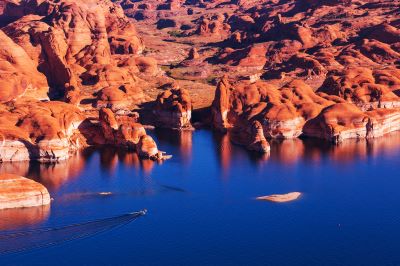
Lake Powell
Then you’ve got Lake Powell and Horseshoe Bend.
No, Horseshoe Bend is not in Utah. It’s in Arizona near Page. But it belongs in this conversation because so many southern Utah trips naturally flow that way.
If you’re already in Kanab or heading south, it’s an easy and popular side trip.
The walk to the overlook is short. The payoff is huge. You get one of the best-known views of the Colorado River anywhere in the Southwest.
And Lake Powell gives you something else entirely. Water. Marinas. Boating. Paddleboarding.
More open recreation than many people expect when they think “red rock desert.”
It’s a nice contrast. And that contrast is part of what makes this area so good.
Capitol Reef, Torrey
And the Scenic Byway 12 Corridor
This might be my favorite part of the whole article. Not because it’s more famous. But because it feels a little more personal and is one of our favorite areas.
Capitol Reef National Park
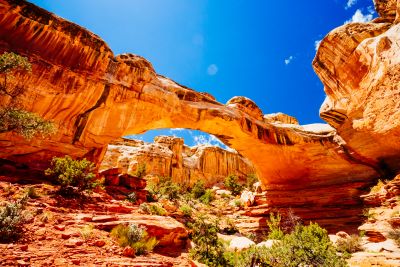
Capitol Reef National Park has a different feel from Zion, Bryce, or Arches. It’s built around the Waterpocket Fold which is basically a giant wrinkle in the earth.
The result is a long, folded landscape of cliffs, domes, canyons, and odd rock layers that seem to keep unfolding as you move through the park.
It’s also one of the best parks for mixing easy access with deeper exploration. You can drive the main road.
Stop at the Visitor Center. Walk around Fruita. Pick fruit in season.
See petroglyphs. Take a shorter trail. Or go farther into the more remote country if you have the time.
Nearby Torrey is one of the best small town bases in Utah. It’s not big.
It doesn’t need to be. It’s just in the right place. That’s enough.
Scenic Byway 12
Then comes Scenic Byway 12.
This is not just a road between parks. This is one of the great scenic drives in Utah by itself. Actually, in the whole West.
The route ties together Bryce, Escalante, Boulder, and Capitol Reef. It cuts through Grand Staircase-Escalante National Monument.
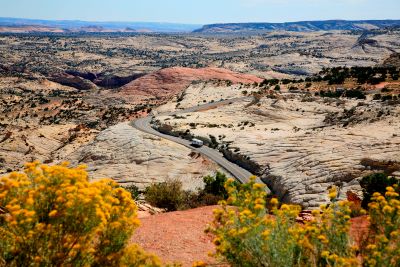
And it gives you one amazing stretch after another. Forests. Slickrock. Canyons. Overlooks. Big empty country. This scenic byway is one of the best reasons to drive southern Utah.
There are places in this corridor where the road alone is the attraction. This area was the last large area mapped in the continental US so that might tell you a little about its remoteness.
Goblin Valley State Park
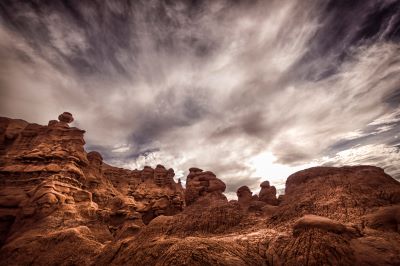
And then there’s Goblin Valley State Park.
Goblin Valley is weird. In the best way.
The rock formations look like little creatures scattered across the landscape. The whole place feels playful. This is one of the easiest parks in southern Utah to enjoy without overthinking it.
Walk. Wander. Take photos. Let the kids explore. Or just stand there and appreciate how strange and fun the whole place is.
This is also where that old outlaw feeling starts to show up. You can almost feel the old western stories out here.
If names like Butch Cassidy and the Sundance Kid mean something to you, this part of Utah still has some of that rough-edged legend in the air.
Moab, Arches, and Canyonlands
The Moab area definitely belongs in this southern Utah guide. It’s another unique area.
Arches National Park
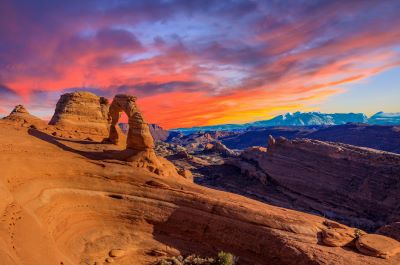
Arches National Park is one of the signature parks of the American West. You can simply drive through it and see an amazing amount.
That’s part of what makes it so good. You don’t have to be a hardcore hiker to get a great experience there.
Delicate Arch is the icon. The Windows section is one of the best easy-payoff areas in the park.
Devils Garden gives you more range if you want more time on foot. And even simple pullouts can give you a great view.
That makes Arches one of the best parks for mixed groups. Families. Couples. Older travelers. First-timers.
People who want scenery without spending the whole day grinding uphill. It works for all of them.
Canyonlands National Park
Then you’ve got Canyonlands National Park.
Canyonlands feels bigger. Wider. More remote.
If Arches is about formations and close-up features, Canyonlands is about scale. The Island in the Sky district is the easiest area for most visitors and it delivers fast.
You drive out. Stop at viewpoints. Look across an enormous maze of canyon country.
And suddenly you begin to understand the size of this landscape in a whole different way.
Dead Horse Point State Park
Nearby Dead Horse Point State Park is another must. It’s one of the best viewpoint parks in Utah. The overlooks are dramatic.
The trails are manageable. And the whole place gives you that classic canyon-country look people come to Moab for.
Moab also happens to be one of the top mountain biking towns in the country. That doesn’t mean every ride has to be advanced.
There are options across many skill levels. If you want one base with national parks, river scenery, jeep roads, biking, and sunset views, Moab is hard to top.
Bluff, Blanding, Bears Ears
And Monument Valley
This is a different kind of southern Utah. It’s quieter. More remote.
More layered with history. And honestly, that’s a big part of the draw.
Bears Ears National Monument
Bears Ears National Monument is one of the most important landscapes in the region. Not just because it’s scenic. Because it carries deep cultural meaning too.
This isn’t just a place to pull over, snap a photo, and leave. It deserves more attention than that. If you go, go respectfully.
This region also rewards people who slow down. Bluff. Blanding. Monticello.
These aren’t necessarily flashy stops. But they open up access to some remarkable country.
Natural Bridges National Monument
Natural Bridges National Monument is one of the quieter highlights. But it’s worth the trip.
You can get good views from the drive and the overlooks. You can also hike down if you want more.
Hovenweep National Monument
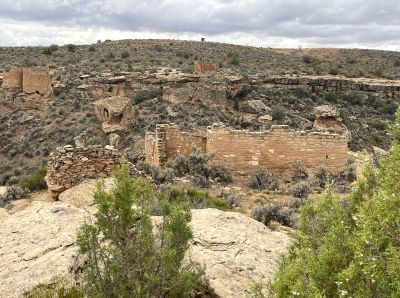
Then there’s Hovenweep National Monument. This is another place that doesn’t always make the first list for casual travelers. It probably should.
If you care about ancient sites, silence, and a more remote feel, Hovenweep is a very strong add to your list of things to see in southern Utah.
Goosenecks State Park
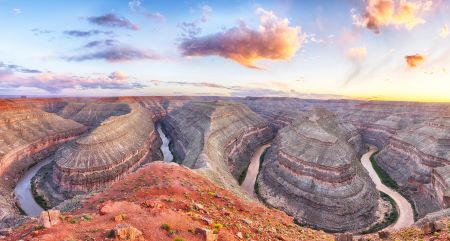
Goosenecks State Park is almost the opposite. It’s quick. Easy. And immediate.
You walk out from the area near the parking edge and look down on one of the great river bends in the Southwest. It is a simple stop with a huge payoff.
Monument Valley
And then, of course, there’s Monument Valley.
This is the famous one. The cinematic one. The one people have seen in movies, postcards, and travel ads for years.
The buttes rise out of the desert and somehow still look bigger and better in person. The valley drive is scenic, memorable, and absolutely worth doing if you’re in this part of Utah.
It’s interesting to see people stop and stand in the middle of the highway at the spot where the famous scene in the Forest Gump movie was filmed.
How I’d Think About Planning It
The biggest mistake people make is trying to do too much. There are a lot of things to do in Southern Utah.
It isn't a place to rush. It’s a place to choose well.
- If you only have a few days, pick a zone.
- If you want the classic first trip, go with Zion, Bryce, and maybe part of Scenic Byway 12.
- If you want a mix of water, dunes, and canyon country, base around Kanab and add Coral Pink, Buckskin, and Page.
- If you want something a little less crowded, try Capitol Reef, Torrey, and Goblin Valley.
- If you want canyon drama, magnificent natural arches, and adventure, go to Moab.
- If you want quieter roads, cultural depth, and fewer crowds, head for Bluff, Blanding, Bears Ears, and Monument Valley.
As for the best time, spring and fall are hard to beat. Summer can be hot in all of the lower elevation parks.
That’s when places like Cedar Breaks become even more appealing.
Winter can be beautiful too, especially if you want fewer people and don’t mind some weather.
Final Thoughts About
The Best Things to Do in Southern Utah
Southern Utah is not just one trip. It’s a whole collection of trips.
That’s what makes it so appealing.
You can visit the famous places. You should. They’re famous for a reason. But don’t stop there.
Add the scenic drives. Add the state parks. Add the smaller stops.
Add the short hikes, the overlooks, the quiet towns, and the places that are not on every first-timer list.
That’s usually where the trip gets even better. That’s why we keep going back.
And that’s why I think southern Utah gives you some of the best travel experiences anywhere in the West.